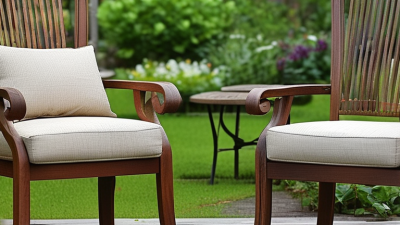
How to Choose the Best Outdoor Dining Set?

An Outdoor Dining Set can make a patio feel like a useful extension of your home, but the best option is not always the largest or most stylish one. It should fit your space, local weather, and everyday habits. A table that looks perfect in a showroom may crowd a narrow deck or leave little room to pull out chairs.

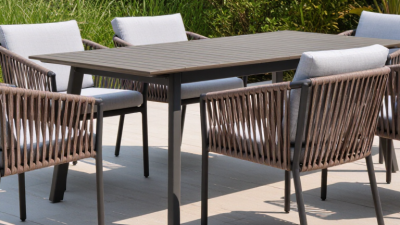
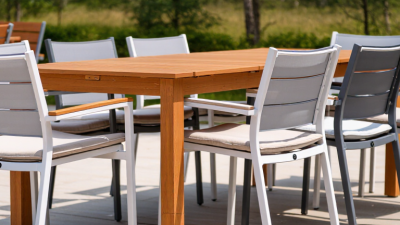
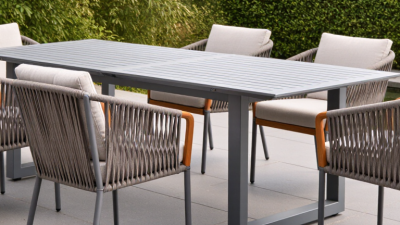
Start by measuring the dining area, including walking space around the table. Think about how many people usually eat outside and whether you need extra seats for guests. Materials matter, too. Aluminum is relatively lightweight, while teak and other woods may need periodic care. Woven materials can offer a relaxed look, but check how the manufacturer recommends cleaning and storing them. Small details matter.

Comfort deserves a close look. Seat height, back support, and cushion fabric can affect how long people want to linger after dinner. If your area gets strong sun or frequent rain, consider shade, weather-resistant finishes, and a practical place to store cushions. Read product specifications and care instructions rather than relying on appearance alone.

There is no perfect set for every home. A spacious garden has different needs from a compact balcony, and your preferences may change after a season of use. Even careful planning can miss something; chair clearance is easy to underestimate. This guide explores the key factors that can help you compare options, balance durability with comfort, and choose a set that suits the way you actually dine outdoors.
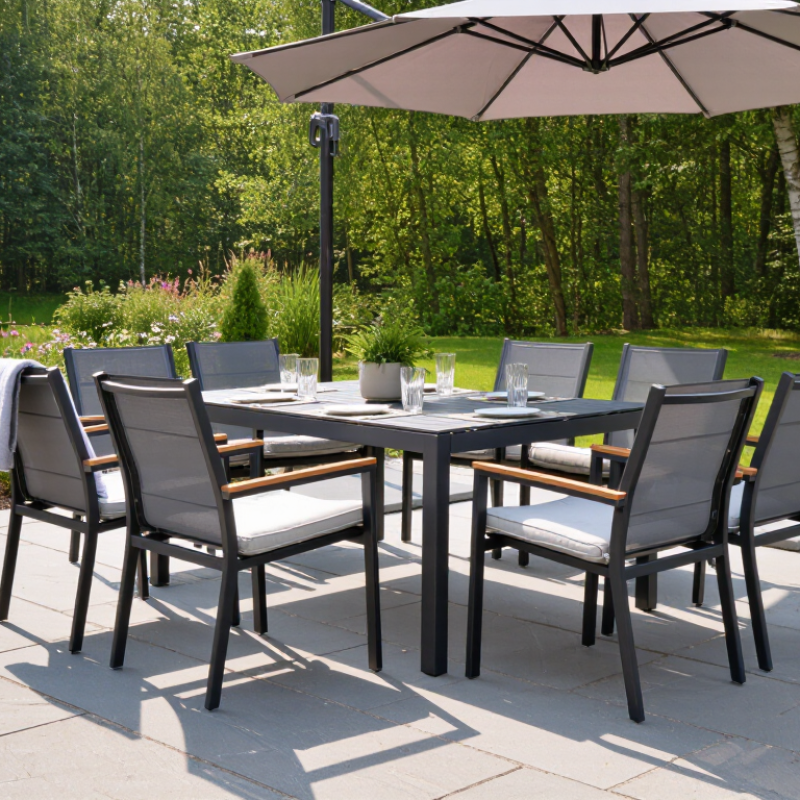
How to Choose the Best Outdoor Dining Set?

Assess Your Outdoor Space and Dining Needs

Measure the usable area, including space taken by open doors, planters, a grill, or steps. A patio may look roomy until chairs are pulled back. Mark the table and chair positions with tape, then walk around them. Aim for about 36 inches of clearance where people need to pass; tighter spaces may need slimmer chairs or a smaller table. Check the ground, too. Uneven pavers can make a table wobble, and soft lawn may not support narrow legs well.

Then match the set to how you dine. Count the people who sit outside most often, not just the largest gathering you host once a year. A compact four-seat table can feel better than a crowded six-seat one. Need room for serving dishes? Measure those, too. Consider shade, wind, and how far the dining area is from the kitchen. If you will move furniture for sun or storage, lighter pieces may be practical. I still find this easy to underestimate: the chairs need somewhere to go when dinner is over. A little empty space matters.

Choose Materials That Suit Your Climate and Lifestyle

Choose Materials That Suit Your Climate and Lifestyle

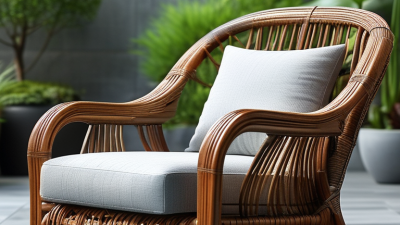
Start with the weather your furniture will actually face: long wet seasons, strong afternoon sun, coastal salt, or repeated freeze-thaw cycles. Then consider how much upkeep fits your routine. Aluminum is light and easy to move, while powder-coated steel is sturdy but can need prompt attention when its finish gets scratched. Dense hardwood offers a substantial feel, though it benefits from regular cleaning and, depending on the wood and finish, oiling. Synthetic woven materials can be convenient, but check that the frame and cushions are equally suited to outdoor exposure. Small detail, big difference.

Moisture can change wood’s dimensions over time. The USDA Forest Products Laboratory’s 2021 Wood Handbook reports equilibrium moisture content of about 6% at 30% relative humidity and 11% at 60%, at 70°F. That shift helps explain why wood joints and tabletops may move between dry and humid seasons. In a rainy climate, look for designs that let water drain and air circulate; avoid leaving cushions pooled on a flat seat. For salt air, rinse exposed frames periodically and inspect fasteners.

A useful correction: “weather-resistant” is not a complete answer. Sun exposure can fade fabrics, while trapped moisture can encourage mildew, even when the frame holds up well. Check local climate normals, not just a single unusually hot or wet year, and match them to the care instructions. I’d also be honest about my habits: if cushions rarely get stored, choose quick-drying covers—or accept that they may need replacing sooner. That trade-off is easy to overlook.

Select the Right Table Size, Shape, and Seating Capacity

Choosing an outdoor dining set starts with measuring the space, not guessing from a product photo. Mark the table’s footprint with tape, then add room for pulled-out chairs and walking paths. Aim for about 36 inches of clearance behind occupied chairs where possible. On a narrow balcony, even a few inches can change how easily people move. Measure twice; patios can be deceiving.

A rectangular table works well for long decks and larger gatherings, while a round table can soften a compact seating area and make conversation easier. Square tables suit small, balanced spaces, but may feel cramped when extra guests arrive. Check the table’s dimensions and leg placement: a center pedestal can give knees more room, though it may feel less stable on uneven paving. Shape is practical, but it is also personal.

For comfortable dining, allow roughly 24 inches of table edge per person. A 60-inch rectangular table often seats six, depending on chair width and how much elbow room you prefer. Count the people who usually eat outside, then consider occasional guests without buying a set that overwhelms the patio every day. That trade-off is easy to miss. If possible, place chairs around a marked table outline and sit down before deciding. It may feel a little fussy, but it can prevent an expensive mismatch.

Compare Comfort, Durability, and Maintenance Requirements

Comfort is more than a soft cushion. Sit in the chair before buying, and check whether your feet rest flat and the armrests meet your elbows naturally. At an outdoor table, a seat that feels fine for five minutes may become tiring over dinner. Measure the chairs and table together; wide arms can quietly reduce usable seating space. Small detail. Big difference.

Durability depends on exposure, not just material labels. The USDA Forest Products Laboratory’s Wood Handbook places wood’s fiber-saturation point near 30% moisture content, with variation among species. This helps explain why repeated wetting and drying can stress wood joints and finishes. Look for drainage, stable joinery, and materials suited to your local sun and rainfall. ASTM G154 describes controlled ultraviolet-light and condensation testing, but accelerated testing does not promise a specific number of outdoor years.

Maintenance should fit your real habits. If cushions need frequent removal during sudden showers, consider whether you will actually bring them inside. Check care labels for cleaning methods, and inspect seams, fasteners, and protective coatings each season. Metal frames may need prompt attention where finishes chip; woven surfaces can collect pollen in tight corners. I would not assume “low maintenance” means no maintenance. Even durable sets need occasional cleaning and checks.

Evaluate Your Budget, Assembly Needs, and Warranty Options

How to Choose the Best Outdoor Dining Set?

Before choosing an outdoor dining set, decide what the full setup can reasonably cost. Include chairs, cushions, an umbrella, and delivery, not just the table. Leave a little room in your budget for repairs; outdoor finishes can wear faster in strong sun or damp conditions. A lower price is not always a saving. A lightweight set may need extra care on a windy patio. Measure your space, too, so a bargain does not block the back door.

Assembly can change the real cost. Check whether tools are included, how many people are recommended, and whether the instructions show clear steps. If you will assemble it alone, do not assume “easy assembly” means quick; heavy tabletops can be awkward to lift. Check the fine print. Warranty terms may differ for frames, finishes, fabric, and cushions, and fading or weather damage might not be covered. Keep the receipt and photograph the set when it arrives. A long warranty sounds reassuring, but check who pays for shipping or labor if a part fails. Choosing by warranty length alone is an imperfect shortcut. Compare the coverage with your climate, storage habits, and likely use.

How to Choose the Best Outdoor Dining Set

Compare typical U.S. planning price ranges for four-seat sets by material.

These approximate retail planning ranges are in U.S. dollars, not a live market survey; prices vary with size, construction, and cushions. Set your budget first, then check assembly instructions for tools and extra help required. Before buying, read the written warranty for its duration, covered parts, and exclusions.

No products in the cart.