How to Choose Patio Table and Chairs for Your Outdoor Space?
Choosing Patio Table And Chairs starts with how you use your outdoor space, not simply how a set looks in a catalog. Measure the available area, including room to pull chairs back and walk around the table. A useful rule is to picture the chairs in use, not pushed neatly underneath. Small patios often suit round tables or compact folding chairs, while larger decks can accommodate longer dining sets. Leave enough space for doors, planters, and the routes people naturally take. A careful layout feels comfortable; a crowded one can make even attractive furniture frustrating.
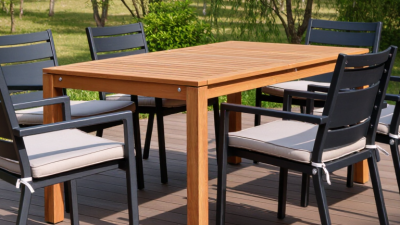
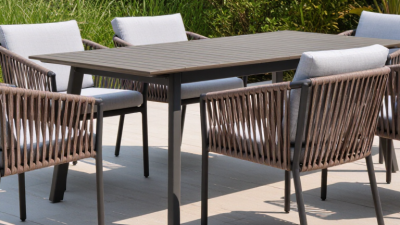
Next, compare materials, construction, comfort, and upkeep. Aluminum is generally lightweight and easy to move, while treated wood brings a warmer appearance but may need periodic care. Woven furniture can soften a hard patio, though its durability depends on the material and build quality. Check product details rather than assuming every finish handles sun or rain equally well. Sit in the chairs if possible. Notice the seat depth, back support, and whether the table edge feels comfortable against your arms. Looks matter, but not on their own. It is easy to overvalue a stylish photo and overlook daily maintenance. This guide will help you balance space, weather exposure, budget, and practical comfort before choosing a set. There may be no perfect option; the best choice is the one that fits your routines and gets used.
Assess Your Outdoor Space and How You Plan to Use It
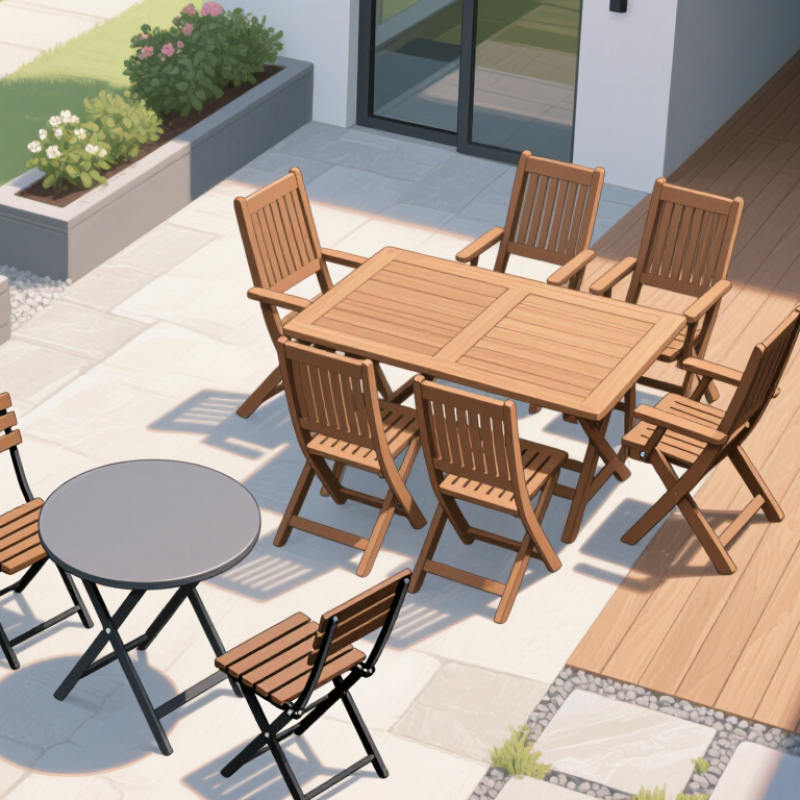
Before choosing a patio table and chairs, measure the space you can actually use—not just the paved area. Include door swings, steps, planters, and the route people take through the yard. A dining set that fits on paper may still block the back door. That happens.
Think about a normal afternoon. Will you eat outdoors, read alone, or host several guests? For meals, allow room to pull chairs back and walk behind seated people. For a narrow balcony, a small round table may leave a clearer path than a rectangular one. Measure the tabletop and chair depth with tape or cardboard before buying. It feels fussy, but it can prevent an expensive mismatch.
The National Association of Home Builders’ 2024 What Home Buyers Really Want report found that 86% of surveyed buyers considered a patio desirable or essential. That signals broad interest, not a guarantee that every patio needs a dining set. Match furniture to your household’s habits, sun exposure, and storage space. I have underestimated chair clearance before; a quick sketch would have helped. Note where shade falls at lunchtime, too, since a sunny spot at breakfast can feel harsh later.
Choose a Table Shape and Size That Fits Your Layout
Choose a table shape that follows the patio’s natural traffic flow. A rectangular table often suits a narrow deck, while a round table can soften a tight corner and make conversation easier. Square tables work well in compact, balanced layouts. Measure the usable area, including door swings, planters, and the route to the grill. Small details matter.
Size the table for both dining and movement. Measure the tabletop, then mark its outline on the ground and add room for chairs to slide back. The U.S. Access Board’s Guide to the ADA Accessibility Standards specifies a 36-inch minimum width for an accessible route. Treat that as a useful planning benchmark for a clear path, not a guarantee that every patio layout will feel roomy. This is easy to misjudge on paper. A chair pulled out beside a wall can make even a modest table feel oversized.
Tips: Use painter’s tape to mock up the table and chairs. Walk around the taped layout with chairs pulled out; check the doorway and your usual path. If the route feels pinched, choose a smaller top or fewer seats.
Compare Materials for Durability and Weather Resistance
Teak and other dense hardwoods feel substantial and stay comfortable in changing temperatures. Their natural oils help resist moisture, but sunlight gradually turns the surface silvery gray. Some owners like that patina; others prefer regular oiling. Acacia can cost less, though it needs more consistent sealing in wet climates. Check the joints. Loose screws can make a sturdy-looking table wobble after a season.
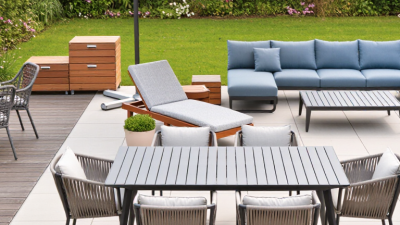
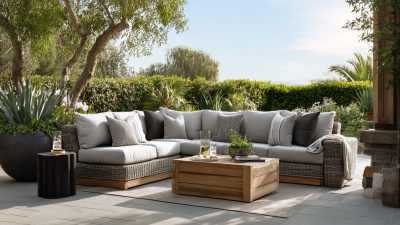
Powder-coated aluminum is light enough to move for an afternoon shower and does not rust like untreated steel. Its finish can chip, so inspect corners and leg ends before buying. Steel feels steadier on a windy patio, but damaged coatings may expose it to rust. Synthetic wicker over an aluminum frame handles damp weather better than natural rattan. Look closely at the weave; thin strands may loosen with frequent use. High-density polyethylene furniture resists moisture, though UV protection varies by product. Ask for care instructions rather than assuming every resin performs alike. Cushions need separate attention. Quick-drying foam and outdoor-rated fabric help after rain, but damp seams can still hold water. I have found that removable covers are useful, though taking them inside becomes a chore. A covered storage box nearby makes that habit easier.
Select Chairs for Comfort, Support, and Easy Storage
A patio chair should feel stable before it looks stylish.
Sit for a few minutes and notice whether your feet rest comfortably and the seat edge presses behind your knees. As a useful reference, the U.S. Access Board’s 2010 ADA Standards specify a 17–19-inch seat height for benches. That range is not a universal rule for patio chairs, but it can help you compare options. Pair the seat with your table: a large gap can make dining awkward, while a tight one may crowd your legs. Arms should slide beneath the tabletop if you want chairs to tuck away neatly. Small details matter.
Support is easy to overlook.
Look for a backrest that supports your lower back, plus a seat that does not sag under normal use. Try the chair on the surface where it will sit; uneven pavers can expose wobble quickly. For storage, compare folded dimensions with your shed, balcony corner, or wall hook. The Access Board’s standard also defines a 30-by-48-inch clear floor space, a helpful planning reference for keeping a chair accessible when stored. It is not a patio-storage requirement. I still misjudge this space sometimes. Measure the route, not just the storage spot, and check whether stacked chairs scratch or trap moisture. Folding mechanisms should move smoothly without pinching fingers. A chair that is comfortable but awkward to lift may stay outside all season.
Balance Style, Maintenance, and Budget Before Buying
A patio set should fit the way you use the space, not just the look of a catalog. Measure the dining area, then leave about three feet around the table for chairs and walking. Tight corners matter. For a small balcony, a round table may allow easier movement; larger patios can handle rectangular seating for shared meals.
Style comes from shape, color, and texture, but local weather should guide material choice. Powder-coated metal often wipes clean quickly, while untreated wood may need periodic oiling or sealing. After rain, check whether water pools in joints or under slatted seats. That detail gets missed. Woven surfaces can feel comfortable, though dust and pollen may collect between strands, especially near trees.
Set a firm spending limit that includes cushions, covers, and replacement hardware, not only the frame. A cheaper set can cost more over time if its finish fades or its fasteners loosen. Try chairs in person when possible; seat height and armrests can feel different after ten minutes. Cushion storage is easy to underestimate; they may end up stacked indoors during every storm. Not ideal. Choose a finish you can maintain on an ordinary weekend, rather than one that looks perfect only when new.
How to Choose Patio Table and Chairs for Your Outdoor Space
Compare broad price estimates for five-piece patio dining sets by material before balancing style, maintenance, and budget.
Prices are approximate U.S. retail ranges, not brand-specific quotes. Actual costs vary with set size, construction, finish, and location. Also consider the care each material needs and how well it suits your climate.