2026 Best Garden Sofa Buying Guide for Global Buyers?

A Garden Sofa can turn a bare patio into a place for slow breakfasts, evening conversations, and a quiet hour after rain. But a beautiful showroom photograph cannot tell you how cushions handle damp mornings or whether the frame feels steady on uneven stone. This 2026 buying guide helps global buyers assess those details before choosing a set.

For this guide, fictional outdoor-furniture sourcing specialist Elena Ward offers an illustrative buying principle: “Choose for the weather you have, not the photograph you love.” It is a useful reminder, not a substitute for verified product specifications. Check frame material, cushion fabric, drainage, UV resistance, and care instructions. Ask suppliers for test details and warranty terms in writing. A label saying “all-weather” is not enough.

Small details matter. Run your hand along the armrest. Sit down and shift your weight. Notice whether water can collect in cushion seams, or whether a low table sits awkwardly beside the sofa. Measure the full footprint, including space to walk around it. Then compare delivery options, replacement covers, and assembly requirements across markets.

There is no perfect choice. Teak may need upkeep; aluminum can feel less substantial. Resin wicker varies in quality. And an oversized sofa can overwhelm a modest balcony, even when it looks inviting online. This guide weighs comfort, materials, durability, and value, while noting where buyers should ask more questions. A little doubt is healthy. It can prevent an expensive mismatch.
2026 Best Garden Sofa Buying Guide for Global Buyers?

What Defines a Garden Sofa and Which Types Suit Different Outdoor Spaces?

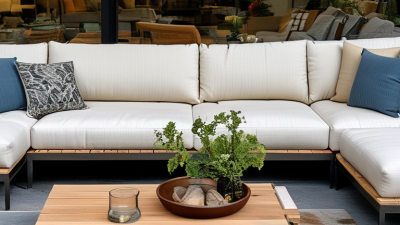
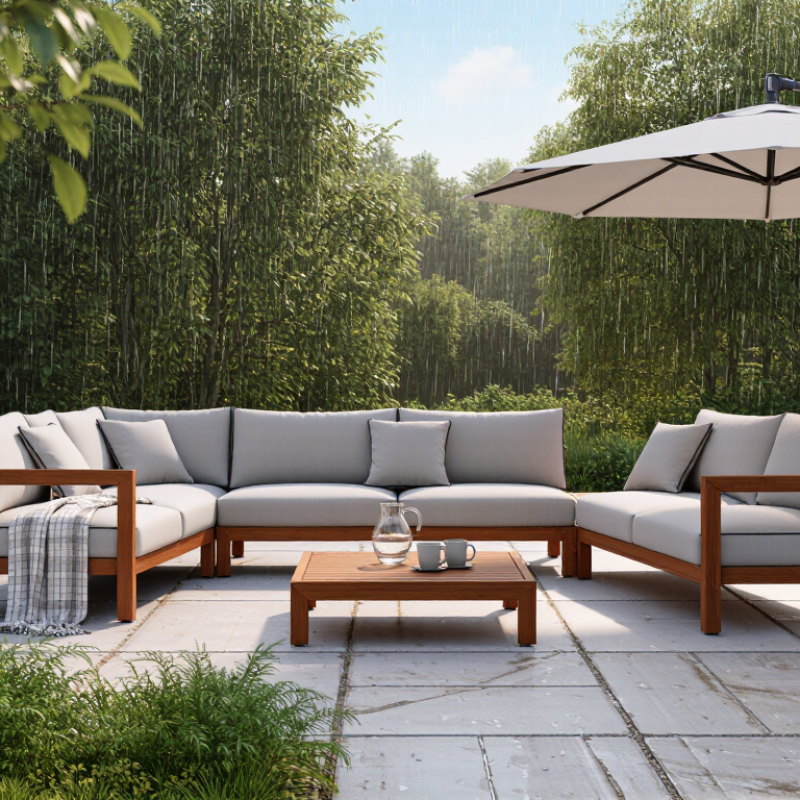
A garden sofa is a multi-seat outdoor lounge designed for patios, decks, balconies, or lawns. Unlike indoor seating, it needs materials that tolerate sunlight, damp air, and occasional rain. That does not mean every sofa can stay uncovered year-round. Frame construction, cushion fabric, drainage, and local weather all affect durability. Look for removable covers and cushions that dry readily after a shower.

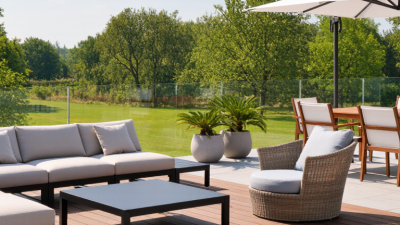
Modular sofas suit larger patios because separate sections can form a straight row or an L-shaped corner. They work well around a low table, but bulky modules may block narrow walkways. A compact two-seat sofa fits smaller balconies and covered porches, where every centimetre matters. Small space? Measure twice. Include room to pull chairs back and open doors. For long, narrow decks, a slim bench-style sofa can preserve a clear route without giving up relaxed seating.

Material choices involve trade-offs. Aluminium frames are light and easy to move, while treated timber brings a warmer, more natural look. Synthetic woven finishes can feel softer visually, but inspect the weave and joints closely; appearance alone says little about build quality. Cushions should feel supportive, not merely plush, and their storage needs are easy to underestimate. I have found that a sofa that looks perfect in a showroom can feel awkward once its cushions and side table occupy the actual space. Measure the full footprint before buying, then check whether replacement covers or cushion inserts are available.

2026 Garden Sofa Buying Guide: Typical Width by Sofa Type

What defines a garden sofa? It is outdoor seating designed for garden, patio, or balcony use, typically made with weather-resistant frames and outdoor-suitable cushions. Choose a style that fits both your available floor space and the way you plan to use it.

The chart shows representative widths for common sofa types, not fixed standards. Actual dimensions vary by design; check the product measurements and allow extra room for access and movement. Compact two-seat styles can suit smaller patios, while three-seat and corner sofas generally need more space.

How Do Climate and Location Shape Material Selection?

Climate should guide the frame, fabric, and finish. NOAA’s 2024 Annual Global Climate Report found that global temperature was 1.29°C above the twentieth-century average. That global figure is not a local design specification. Check your destination’s rainfall, humidity, temperature, and wind records before choosing a sofa. NOAA’s 1991–2020 U.S. Climate Normals offer monthly data; buyers elsewhere should consult their national meteorological service. Salt travels farther.

In humid or rainy locations, favor quick-drying cushions, ventilated construction, and corrosion-resistant hardware. The USDA Forest Products Laboratory’s Wood Handbook explains how wood exchanges moisture with its surroundings, which can cause swelling, shrinkage, or checking. A timber frame may still work well, but it needs suitable detailing and regular care. In intense sun, prioritize tested UV-resistant fabric and place the sofa where shade is available. Shade matters. For dry, hot regions, dark, dense surfaces can become uncomfortable to touch; lighter finishes may help, though they show dirt more readily. Coastal buyers should rinse salt deposits from fittings, even when the hardware is corrosion-resistant. I would not choose a material from a climate label alone: a covered balcony and an exposed seaside terrace can behave very differently. Check product care instructions and local exposure patterns before buying.

2026 Best Garden Sofa Buying Guide for Global Buyers? — How Do Climate and Location Shape Material Selection?

Use local exposure—not climate labels alone—to compare garden sofa materials. Direct sun, wind-driven rain, salt spray, freeze–thaw cycles, and storage options all affect durability and care needs.

Climate or Location Main Outdoor Stress Materials to Consider Why They May Suit the Setting Checks Before Buying Practical Care
Hot, sunny, dry regions Strong ultraviolet exposure, high surface temperatures, and dust UV-stabilized synthetic resin weave; powder-coated aluminum; outdoor cushions with UV-resistant covers Aluminum is relatively lightweight and does not rust like untreated iron. UV-stabilized resin and outdoor fabrics are designed to better withstand sunlight than ordinary indoor materials. Ask whether the weave and fabric are specified for outdoor UV exposure. Check the frame coating for chips and the cushion covers for removable, washable construction. Brush off dust, clean according to care instructions, and use a breathable cover or shade during prolonged intense sun.
Humid, rainy, or monsoon climates Frequent wetting, slow drying, mold growth, and water collecting in frames or cushions Powder-coated aluminum; outdoor-grade synthetic resin; quick-drying, water-resistant cushion covers Aluminum and suitable synthetic weave do not absorb water in the same way as many untreated natural materials. Faster-drying cushion construction can reduce the time fabrics remain damp. Look for drainage openings and removable cushions. “Water-resistant” does not necessarily mean waterproof; confirm whether cushions should be stored during heavy rain. Allow cushions to dry fully, clear drainage points, and clean mildew promptly using the fabric maker’s instructions.
Coastal or salt-spray locations Salt deposits and salty, damp air that can accelerate corrosion of susceptible metals Powder-coated aluminum; stainless-steel hardware with a corrosion-resistant grade; UV-stabilized synthetic weave Aluminum does not develop red iron rust, although its coating can be damaged. Stainless-steel corrosion resistance varies by grade; marine environments generally call for a more corrosion-resistant grade, such as 316, rather than assuming all stainless steel performs alike. Check the stated metal grade, coating coverage, fasteners, and warranty exclusions. Scratches, crevices, and mixed metals can still be vulnerable. Rinse salt deposits regularly with fresh water and dry the furniture. Repair coating damage promptly using suitable products.
Cold regions with snow and freeze–thaw cycles Standing water freezing, repeated wetting and drying, snow load, and temperature changes Powder-coated aluminum or properly finished hardwood; outdoor-rated cushions stored separately in winter Materials and joints designed for outdoor use are better suited to seasonal exposure than indoor furniture. Keeping cushions dry helps prevent prolonged moisture exposure. Check the maker’s winter-storage guidance, frame construction, and whether water can drain rather than collect in hollow sections or joints. Remove snow rather than allowing heavy accumulation. Clean and dry the sofa before storing it or covering it with a breathable cover.
Windy, exposed sites Furniture movement, tipping, abrasion from grit, and wind-driven rain Heavier powder-coated steel or a securely anchored frame; tightly fitted outdoor cushions and covers A heavier frame may be less prone to moving than a lightweight one, but weight alone does not guarantee stability. Secure placement and a suitable frame design matter. Check the sofa’s assembled weight, leg design, connection points, and whether anchoring is possible. Avoid leaving loose cushions outdoors in high winds. Secure or store cushions during storms, and inspect feet and fasteners for wear or loosening.
Sheltered patios, balconies, and covered verandas Reduced direct rain and sun, but possible humidity, indirect UV exposure, or limited airflow Teak or other suitable outdoor hardwood; aluminum; synthetic resin weave; outdoor fabric matched to the exposure Shelter can reduce weathering, but it does not eliminate moisture or sunlight. Teak contains natural oils and is commonly used outdoors; its appearance changes as it weathers unless maintained. Confirm the wood is intended for outdoor furniture and ask about finish and upkeep. Check balcony dimensions, access, drainage, and any local load restrictions. Keep airflow around the sofa, wipe away standing water, and follow the chosen wood or fabric care guidance.

Buying note: Material performance depends on grade, construction, finish, and maintenance. Compare the manufacturer’s care instructions and warranty terms, and choose cushions and covers for the actual exposure at your site.

Which Frame, Cushion, and Upholstery Features Affect Comfort and Durability?

A garden sofa’s comfort starts with the frame, not the cushions. Look for rigid joints, smooth welds, and feet that keep the frame clear of standing water. Aluminum is light and easy to move; hardwood feels substantial but needs more care. Small detail, big difference. Sit for several minutes: a seat that feels soft immediately may lack support after an hour. Quick-drying, open-cell cushion foam lets water drain more readily, while removable covers make cleaning simpler. Check that cushions stay in place when you lean back.

For upholstery, compare lightfastness, water resistance, and abrasion results separately; one test cannot predict every outdoor condition. The Association for Contract Textiles lists 30,000 Wyzenbeek double rubs as a heavy-duty abrasion benchmark, but abrasion resistance does not prove resistance to sun or rain. Ask for test documentation. ASTM G154 describes accelerated UV and moisture exposure; one commonly used cycle runs eight hours of UV at 60°C, followed by four hours of condensation at 50°C. These are test conditions, not a promise of years outdoors. In hot, humid regions, ventilated fabric and fast-drying cushions matter more. I would still inspect seams and zipper covers in person; product sheets rarely show how neatly they are finished.

How Can Buyers Match Sofa Size and Configuration to Their Garden?

Measure the usable garden area, not the full patio outline; planters, steps, doors, and drains take space. Mark the sofa footprint with tape, including its arms and any chaise extension. Then preserve roughly 75–90 cm for a comfortable main walkway, adjusting for gates and household mobility. Measure twice. Leave breathing room. Outdoor layouts rarely match a clean floor plan.

For a narrow balcony or compact terrace, a two-seat sofa or straight modular unit usually keeps circulation clear. An L-shaped configuration suits a corner, but its return can block a path or shade a planting bed. Check each module’s dimensions separately, because listings may show the assembled width but omit connector gaps.

Compare seat depth with how people actually sit: deep seats feel relaxed, yet can overwhelm a small area. Use paper cutouts or movable chairs to test conversation distance before ordering. One awkward point: tape cannot show cushion bulk or how a door swings, so leave a little extra clearance.

What Should Global Buyers Check When Comparing Quality, Price, and Care?

When comparing garden sofas, look beyond the advertised price. Grand View Research valued the global outdoor furniture market at USD 50.78 billion in 2023, reflecting a broad and competitive category. That figure is market context, not proof that any sofa will last. Check frame material, wall thickness, joints, and the feel of the finish. On a sample, press the armrests and inspect welds for gaps or rough edges. Ask whether cushions have removable covers and whether replacement parts are available. Small details matter.

Compare total delivered cost, including packaging, freight, and any local charges, rather than comparing unit prices alone. Request dimensions in centimetres and inches, plus carton size and weight; these affect fit and handling. For quality, ask for written material specifications and test methods, not just words such as “weather-resistant.” It is easy to miss.

Care depends on climate. Standing water, strong sun, salt air, and winter storage can affect materials differently. Ask for cleaning instructions and whether cushions need indoor storage after rain. A low-maintenance claim may still require regular rinsing and drying. The best choice is not always the cheapest, and the most expensive option is not automatically better. One comparison may still feel incomplete until you see a sample outdoors.

No products in the cart.