
Why Choose Disposable Paper Cups for Your Business?

Why Choose Disposable Paper Cups for Your Business?

Choosing Disposable Paper Cups can shape how customers experience your brand. A warm drink feels more inviting in a firm, clean cup. A printed logo travels through offices, trains, and busy streets. That small surface becomes useful advertising.

Dr. Martin Kersh, Executive Director of the Foodservice Packaging Association, has said, “Packaging must protect the product, support hygiene, and fit the real world.” This practical view matters. Paper cups can support fast service, portion consistency, and safer handling. They also reduce dishwashing demands, water use, and back-of-house labor in many settings. However, they are not automatically sustainable. Most cups use a thin lining, often plastic or bio-based material. Local recycling systems may not accept them. That detail deserves honest attention.

Performance still matters. A good cup should resist leaks, hold its shape, and protect hands from heat. Double-wall designs may remove the need for a separate sleeve. Yet thicker materials can increase resource use. Bigger is not always better. Businesses should compare cup size, lining type, supplier certifications, transport distance, and disposal options. Ask difficult questions.

The right choice depends on your menu and customers. A café serving takeaway coffee may value insulation and strong branding. A conference venue may prioritize stacking, speed, and consistent supply. Disposable Paper Cups are convenient, but convenience needs responsibility. The decision may not be perfect. It can still become more informed, measurable, and credible.
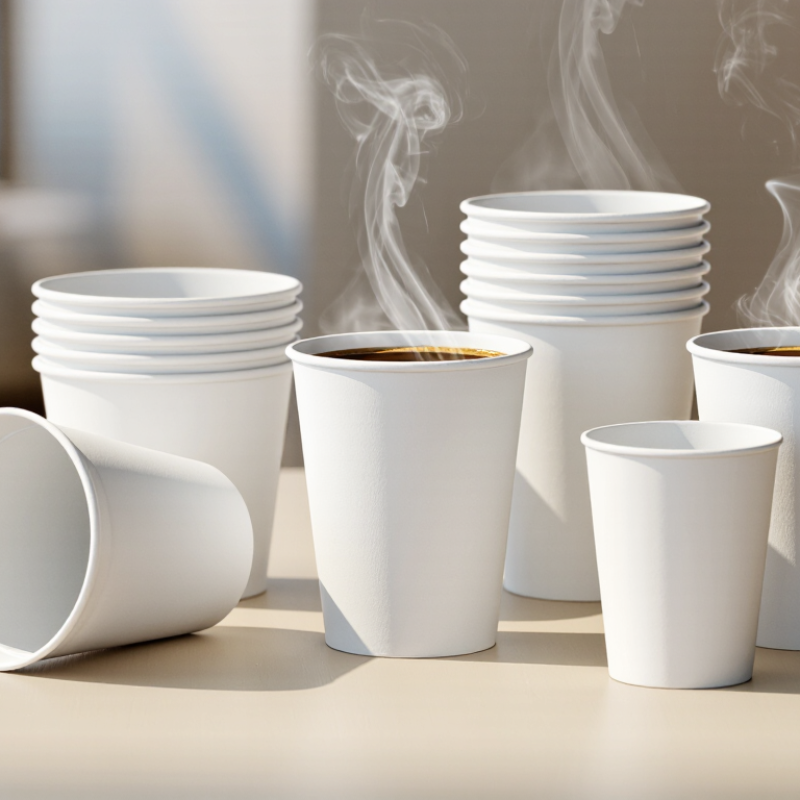
Why Choose Disposable Paper Cups for Your Business?

What Are Disposable Paper Cups?

Disposable paper cups are single-use drink containers made mainly from paperboard. Their walls are shaped, sealed, and usually coated with a thin moisture barrier. This lining may contain polyethylene or plant-based materials, depending on the product. Without it, hot coffee or cold juice would quickly soften the paper.

In daily business use, these cups hold tea, coffee, water, and other non-alcoholic drinks. Their light weight helps staff serve customers quickly during busy mornings. A firm rim also supports comfortable drinking and reduces small spills. From my experience with food-service packaging, cup strength depends on paper thickness, lining quality, and temperature. A thin cup can become uncomfortable when filled with very hot liquid.

They are convenient, but not a perfect environmental answer. “Paper” does not always mean easily recyclable. The inner coating can make separation difficult in local recycling systems. Businesses should check cup specifications and confirm waste rules with local providers. It is also worth testing several sizes before ordering large quantities. A cup may look suitable but leak after ten minutes on a counter. Small details matter, especially for takeaway drinks and delivery orders.

How Disposable Paper Cups Support Business Operations

Why Choose Disposable Paper Cups for Your Business?

Disposable paper cups can make daily service faster and more consistent. During a busy breakfast rush, staff can fill, lid, and hand over drinks quickly. This reduces washing-up tasks and keeps sinks available for other work. Cups also support takeaway orders, temporary events, and offices with limited kitchen space. Their light weight simplifies storage, especially when cartons fit beneath a counter or on a dry shelf.

Reliable operations need more than speed. Choose cups that match drink temperature, serving size, and lid requirements. Check the cup structure before placing a large order. A weak rim can cause leaks, customer complaints, and wasted drinks. It is also wise to review supplier specifications and local recycling options. Paper cups are not automatically recyclable everywhere. That detail is easy to overlook.

Tips: Store cups away from moisture and strong odors. Keep a small emergency supply near the service station. Train staff to check for damaged rims before pouring. Track weekly usage, but avoid overstocking. Needs change. A practical review every month can reveal waste, storage problems, or an unsuitable size. Disposable cups are useful, but they are not a perfect answer for every operation.

Standard disposable paper cup sizes support consistent portion planning, faster service, and simple inventory organization. The chart uses common cup capacities converted from US fluid ounces to milliliters; actual capacities may vary slightly by supplier and cup design.

Key Features and Materials of Paper Cups

Why Choose Disposable Paper Cups for Your Business?

Paper cups work well when their features match the drink and service environment. The paperboard body provides structure while keeping the cup lightweight. Most cups use a thin polyethylene coating to resist moisture and prevent leaks. Some options use water-based coatings or plant-based PLA linings. Materials vary.

In practical use, a firm rim improves drinking comfort and supports secure lids. Cup wall thickness also affects grip, heat transfer, and stability. For hot drinks, a double-wall design can reduce the need for an extra sleeve. Cold beverages need reliable moisture resistance, especially when condensation forms on the outside. Ask suppliers for material details, coating information, and food-contact test reports relevant to your market. This supports safer purchasing decisions. I have seen attractive cups soften when filled too early after production. Not every green claim deserves trust. Verify it.

Tips: Store cups in a dry, clean area. Keep them away from direct sunlight. Test a sample with the actual beverage temperature. Press the side gently and check for warping. Inspect the rim and base for weak points. Record leakage, comfort, and lid fit during a busy service period. Small notes reveal problems.

How to Choose the Right Paper Cups for Your Business

Choosing the right paper cup starts with the drink, not the artwork. For hot coffee, test an 8-ounce or 12-ounce cup at serving temperature. A double-wall structure can reduce heat transfer and remove the need for a separate sleeve. Cold beverages need a moisture-resistant barrier, especially when ice creates condensation. Check lid fit, rim strength, and stacking stability during a real service period.

Material claims require careful questioning. The U.S. Environmental Protection Agency reported that paper and paperboard reached a 68.2% recovery rate in 2018. However, that figure covers all paper products, not coated cups. Cup recycling depends on local equipment and collection rules. Ask the supplier for the coating type, food-contact documentation, and clear disposal guidance. Compostable options should meet recognized standards, such as EN 13432 or ASTM D6400, where suitable facilities exist.

Consider your daily workflow. A cup should hold its shape after fifteen minutes, stack without sticking, and arrive with consistent dimensions. Request samples and perform leak tests with the actual drink. I have found that a cheaper cup can create more waste through spills, sleeves, and replacements. That calculation is easy to miss. Environmental performance also depends on transport distance, packing efficiency, and local recovery systems. Eurostat’s packaging data shows strong recycling performance for paper and cardboard overall, but cups still need separate evaluation. A practical choice balances comfort, safety, cost, and disposal reality.

Why Choose Disposable Paper Cups for Your Business? - How to Choose the Right Paper Cups for Your Business

Cup Size Approx. Capacity Best Business Uses Suitable Beverage Types Recommended Wall Style Key Selection Benefit Important Consideration
4 oz Approx. 118 ml Tasting stations, espresso samples, event sampling Small coffee samples, sauces, dessert portions Single-wall Minimizes material use and supports controlled portions Too small for standard takeaway beverages
6 oz Approx. 177 ml Small servings, children's drinks, short meetings Coffee, tea, juice, water Single-wall; insulated sleeve may be added Offers a compact serving size with lower storage demand A sleeve may be needed for very hot drinks
8 oz Approx. 237 ml Office service, cafés, breakfast counters Coffee, tea, hot chocolate, soft drinks Single-wall for cold; double-wall for hot Balanced portion size for everyday service Confirm lid compatibility before ordering
10 oz Approx. 296 ml Cafés, staff kitchens, corporate events Specialty coffee, tea, smoothies, chilled beverages Double-wall for hot; single-wall for cold Provides a practical middle size for varied menus Check whether the selected lid fits the cup rim
12 oz Approx. 355 ml Takeaway cafés, restaurants, conferences Coffee, tea, iced drinks, juices, milk-based beverages Double-wall or ripple-wall for hot drinks Versatile size suitable for many standard takeaway orders Uses more material and storage space than smaller sizes
16 oz Approx. 473 ml Takeaway beverage shops, food-service venues, outdoor events Large iced drinks, smoothies, cold brew, large hot beverages Double-wall or ripple-wall for hot; reinforced single-wall for cold Supports larger portions and higher beverage volume Requires suitable lids, stronger packaging, and more storage capacity
Selection notes: Capacity values are approximate brim-full volumes; practical serving volume is usually lower. Paper cups commonly use a moisture-resistant lining, such as polyethylene or a water-based barrier, depending on the product. Recycling and composting options vary by local collection facilities, cup construction, and certification requirements. Always test the cup, lid, beverage temperature, and filling level before placing a large order.

Environmental and Practical Considerations for Paper Cup Use

Disposable paper cups can suit busy cafés, offices, and events because they are light, stackable, and easy to serve. A neat stack beside a coffee machine saves counter space. Their paper structure also provides useful insulation, although hot drinks may still need a sleeve. The European Paper Recycling Council reported a 79.3% paper recycling rate in Europe in 2023. However, that figure does not mean every used cup is recyclable. Food residue and plastic or polymer linings can disrupt standard recycling systems. This detail is often overlooked.

Material choice needs evidence. The U.S. Environmental Protection Agency reported a 68.2% recycling rate for paper and paperboard in 2018. Meanwhile, UNEP’s 2023 report, Turning off the Tap, identified packaging as a major source of global plastic waste. A paper cup can reduce reliance on rigid plastic, but it is not automatically low-impact. Fiber sourcing, lining type, transport distance, and local collection rules all matter. The honest answer is less convenient.

Tips:

Ask suppliers for fiber certification and verified product specifications. Check whether your local facility accepts lined cups. Place clear recycling bins beside drink stations. Keep food waste away from collected cups. Trial one cup format before changing the entire operation. Record waste volumes for four weeks. The data may challenge assumptions.

No products in the cart.