
Choosing a Smart Speaker in 2026 is less about finding one universal winner and more about matching a device to your room, routines, and preferred services. Voice-first speakers suit kitchens and bedside tables, where quick timers, music, and hands-free questions matter. Smart displays add a screen for recipes, video calls, and visual answers. Portable models bring voice control onto a patio or between rooms, while home-theater speakers focus on fuller sound and television integration. The categories overlap, sometimes awkwardly.
A useful comparison looks beyond advertised features. Consider how clearly each model hears commands over running water, whether its sound stays balanced at low volume, and how easily it connects with your existing smart-home devices. Check microphone controls, account settings, software support, and the services you actually use; these details can shape daily satisfaction more than a flashy specification. Small differences matter. A compact speaker may be ideal for a desk, yet feel thin in an open living room. Likewise, a display can be convenient without being necessary. Product capabilities and compatibility may change, so verify current details with the manufacturer before buying. This guide introduces the main Smart Speaker types and explains what each is designed to do. Its categories are practical starting points, not a perfect ranking: real rooms, habits, and expectations vary. That deserves a second look.
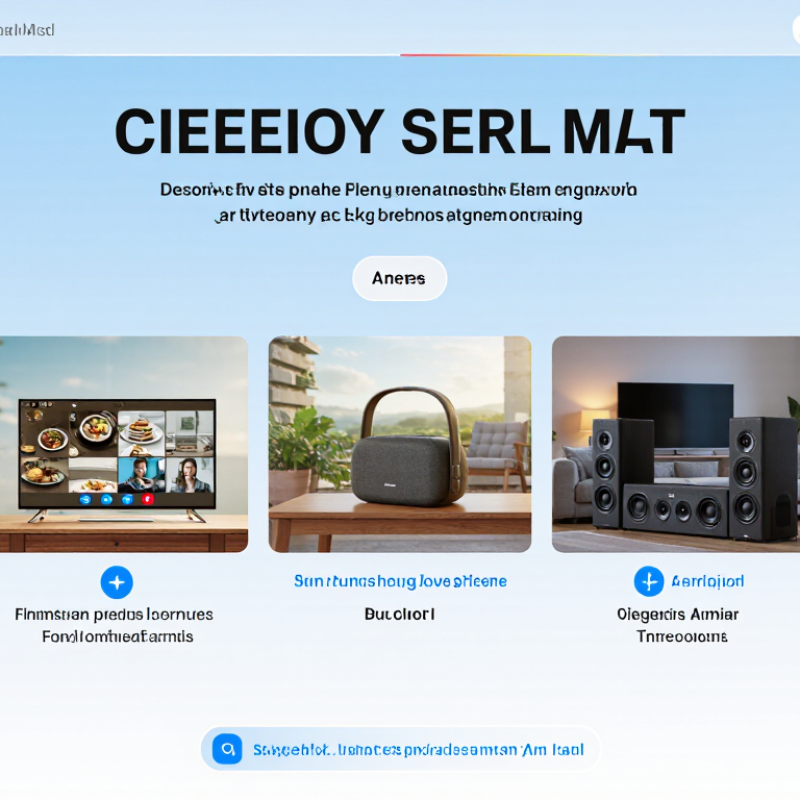
Smart speaker types Smart speaker types in 2026 are best defined by where they fit and what they do. Compact, screen-free models suit bedside tables and kitchens, where timers, alarms, and quick voice requests matter most. Display-equipped speakers add visual guidance for recipes, video calls, and calendars. Portable models include batteries for moving between rooms or taking outdoors, while larger audio-focused units prioritize fuller sound for music.
A widely cited figure puts the voice-assistant device ecosystem at about 500 million connected devices. That scale helps explain why speakers now vary so much in shape and purpose. But device totals do not show how often people use them, or whether every feature works well in a noisy room. A small speaker may hear commands clearly beside a bed, then struggle near a running extractor fan. That distinction is easy to overlook.
Tips: Match the speaker to its main location, not its feature list. Check microphone controls, network requirements, and whether a display adds real value for your household. Try voice recognition from the spots where you will actually speak. Small rooms can still have dead zones.
Audio-only smart speakers in 2026 generally fit three needs: quick voice control, fuller room-filling sound, or flexible listening across rooms. Compare the built-in assistant by testing everyday requests, such as setting a timer while music plays. Check whether it handles your preferred services and smart-home devices; compatibility can matter more than a long feature list. Edison Research’s Infinite Dial 2024 found that 34% of Americans aged 12 and older owned a smart speaker, showing how established voice-led listening has become. Still, ownership alone says little about sound quality.
For sound, listen at the volume you actually use. A compact speaker may make voices clear beside a kitchen sink, while a larger model can deliver fuller bass in an open living room. Stereo pairing and multiroom playback help, but work best when speakers share compatible systems. Check connectivity, too: Wi-Fi usually supports voice features and room-to-room playback, while Bluetooth is useful when the network drops. Some models offer both; others trade flexibility for simplicity. Specifications are useful, but they cannot fully predict how a speaker will sound against your walls and furniture.
Tips: Try a spoken timer, a quiet podcast, and a bass-heavy track before choosing. Check microphone pickup from across the room. I’d also verify whether Bluetooth works without Wi-Fi; product pages do not always make that limitation obvious.
A smart display pairs a speaker with a touchscreen, making it useful when audio alone is not enough. It can play music, show recipe steps, support video calls, and control compatible home devices. On a kitchen counter, a timer and a live call can share the same screen. That feels practical. The display also makes settings easier to inspect than voice commands alone.
For home control, clear labels and room-by-room controls help users adjust lights or check connected devices at a glance. Video calls benefit from a camera, microphone, and screen, but placement matters: a bright window behind the user can make their face hard to see. Privacy deserves attention, too. Check camera and microphone controls before setting the device in a shared room. Not magic. A small screen may feel cramped for longer calls, and voice recognition can mishear a command over running water. Smart displays work best when their screen solves a daily task, rather than adding another device to manage.
| Device Type | Typical Screen | Main Uses | Video and Calls | Home Control | Key Considerations |
|---|---|---|---|---|---|
| Compact smart display | About 5–7 inches | Timers, alarms, weather, recipes, brief information, and bedside or countertop use. | Can show video content; calling depends on the device having a camera and supported calling features. | Can display compatible smart-home controls, such as lights, cameras, and thermostats. | Uses little space, but the small screen is less suited to group viewing or reading from across a room. |
| Mid-size smart display | About 8–10 inches | Kitchen and living-area assistance, video viewing, recipes, calendars, and everyday voice tasks. | Often better suited to video calls and shared viewing than compact models; camera availability varies. | A larger interface can make device lists, camera feeds, and touch controls easier to navigate. | A practical balance of screen area and countertop footprint; placement and viewing angle still matter. |
| Large smart display | About 11–15 inches | Room-wide viewing, family calendars, visual information, and more detailed touch interaction. | The larger screen can make calls and video easier to see, but a camera is not guaranteed on every model. | Can provide a more visible control surface for compatible connected-home devices. | Requires more space and may be less convenient to move; check camera privacy controls and mounting options. |
| Portable or battery-powered smart display | Usually compact to mid-size | Moving voice assistance and screen access between rooms or to locations with suitable connectivity. | Video and calls depend on the model, network access, and whether a camera is included. | Can control compatible devices when connected to the required network and services. | Battery runtime, charging, wireless coverage, and reduced performance away from a network are important considerations. |
| Screen-free smart speaker | No screen | Voice requests, music, alarms, timers, and hands-free assistance. | Does not provide on-device video viewing; calling features, where available, are audio-based. | Voice control may operate compatible smart-home devices, but there is no visual control panel. | Often simpler to place and use, but cannot show video, camera feeds, or visual information on the device. |
What Are the Top Smart Speaker Types in 2026?
Smart speakers are best classified by where and how people listen, rather than by features alone. Edison Research’s 2024 Infinite Dial found that 31% of U.S. residents aged 12 and older owned a smart speaker. That broad adoption does not mean one design suits every room. The categories overlap, and placement can matter as much as specifications.
Premium models suit focused listening in a living room or home office. Look for fuller bass, clear vocals, and room-adjustment features; these can help when a speaker sits near a wall or bookshelf. Portable models prioritize easy movement, battery life, and compact size. They fit kitchens, patios, or short trips between rooms. Multiroom models link speakers for synchronized playback across spaces. They work well for background music, though weak Wi-Fi can interrupt the flow. The split is useful, not perfect.
Tips: Match the speaker to your most-used listening spot. Check battery life for portable use, and test Wi-Fi coverage before building a multiroom setup. For premium audio, listen at ordinary volume, not just in a showroom. Small details count. A specification sheet cannot fully predict how a speaker will sound in your room.
In 2026, smart speakers generally come as compact voice-only units, screen-equipped models, or portable speakers with batteries. A screen can show timers, captions, and large controls, which may help someone who finds spoken instructions difficult. Portable models are handy in a kitchen or patio, but check whether they still work well away from Wi-Fi. Privacy deserves equal attention. Look for a physical microphone switch, a clear recording indicator, and settings for reviewing or deleting saved voice history. A mute button is useful, though it cannot answer every question about what data is stored. Small details matter.
Compatibility affects daily use more than a long feature list suggests. Check whether a speaker works with your phone, home network, and existing lights or sensors before buying. Support for common connection standards can make adding devices easier, but setup may still be uneven across products. Accessibility is personal: voice commands can reduce the need for small buttons, while tactile controls help when speech input is inconvenient. Test it at home. Try setting a timer from across the room, adjusting volume without an app, and asking it to repeat a response. If the speaker misunderstands an accent or struggles in a noisy kitchen, that limitation matters, even when its specifications look impressive.
