China Top Sleeping Bag Blanket Manufacturers?
Choosing among China’s top Sleeping Bag Blanket manufacturers requires more than comparing catalog photos and factory prices. A dependable supplier should understand warmth, packability, skin comfort, and repeated outdoor use. This guide examines manufacturers through practical purchasing criteria, including fabric construction, insulation performance, stitching quality, zipper reliability, and production consistency. A blanket may look soft in a sample, yet feel thin after washing. Small details matter.
Experienced buyers also review factory capabilities, material traceability, quality-control procedures, and communication habits. Ask for fabric specifications, fill weight, finished measurements, and test reports. Request samples before approving bulk production. Check whether the supplier can maintain color, dimensions, and workmanship across repeated orders. Certifications may support credibility, but they should be verified rather than accepted as decoration. No list is flawless. Supplier performance can change with new materials, subcontractors, or management decisions.
This introduction sets a practical framework for evaluating leading Chinese manufacturers. It considers custom branding, minimum order quantities, packaging, lead times, and export experience. It also highlights questions that buyers sometimes overlook, such as seam strength after washing and zipper performance in cold conditions. Reliable manufacturers should answer clearly and provide evidence. Vague promises deserve caution. The best partnership is not always the cheapest one. It is the supplier that combines responsive service, repeatable quality, transparent documentation, and realistic delivery commitments. Experiences may differ between factories, so independent verification remains essential.
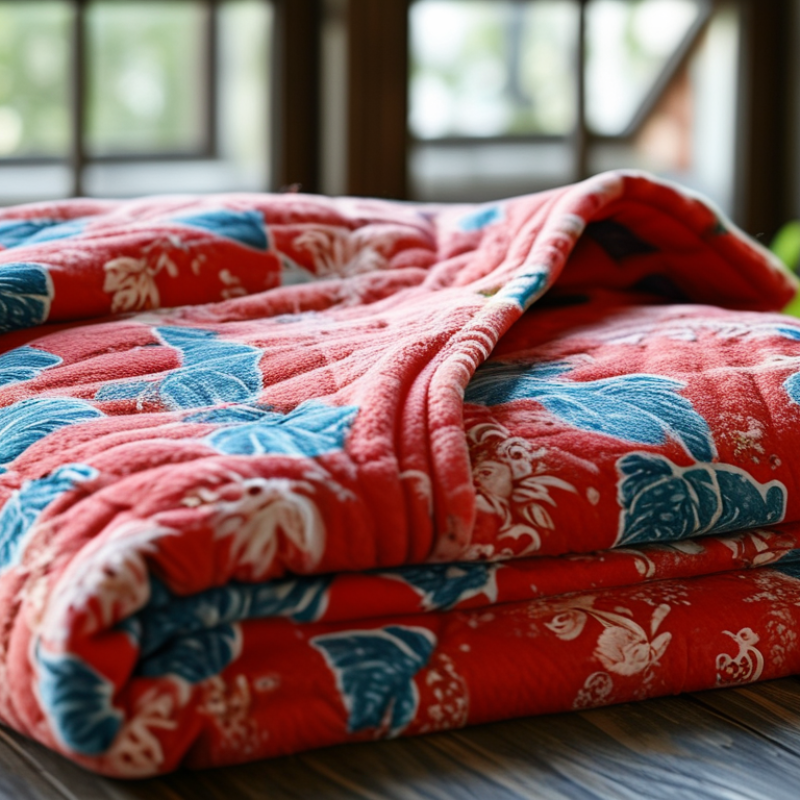
What Makes a Sleeping Bag Blanket Manufacturer a Top Choice in China
A top sleeping bag blanket manufacturer in China is judged by evidence, not factory size. In practical sourcing, I look for traceable fabric rolls, documented insulation batches, and stable stitching tension. Grand View Research estimated the global sleeping bags market at approximately USD 1.5 billion in 2023, with continued growth forecast through 2030. That growth increases pressure on production consistency. A capable supplier should provide calibrated temperature tests, seam-strength records, and samples from different production lots. Show the data.
Thermal claims require technical discipline. Manufacturers should test products against ISO 23537, including comfort ratings, dimensions, and filling performance. For blanket-style bags, I also inspect zipper alignment, snap durability, hood adjustment, and cold spots near the feet. Textile Exchange reported that polyester represented 59% of global fiber production in 2023. Material traceability therefore deserves serious attention. A strong factory connects incoming inspection with final inspection and corrective-action records. That detail matters when one shipment contains 10,000 units.
Responsible production creates another practical difference. Buyers should request material declarations, restricted-substance reports, worker-safety records, and clear subcontracting policies. Certifications help, but certificates alone can age badly. Visit the line. Check needle guards and carton counts. The uncomfortable truth is that low prices may hide rework, uneven fill weights, or delayed replacements. Even excellent manufacturers make occasional mistakes. What matters is response speed, root-cause analysis, and measurable improvement. A top choice is verifiable, technically honest, and capable of repeating performance after the first order.
How Chinese Manufacturers Design and Produce Sleeping Bag Blankets
Chinese sleeping bag blanket manufacturers usually begin with the user’s environment, not only the product shape. Designers compare temperature ranges, sleeping positions, storage space, and washing habits. A blanket-style sleeping bag often uses a wide rectangular cut for easier movement. Outdoor versions may add a hood, foot box, and two-way zipper. Home-use models can feel softer and lighter.
Material selection follows practical testing. Factories may combine polyester shells with hollow fiber or down-like insulation. The choice affects warmth, weight, drying time, and price. Technicians check fabric thickness, seam strength, zipper movement, and filling distribution. Small samples are stitched first. This catches cold spots near the shoulders and uneven padding along the edges.
Production teams then cut fabric with digital patterns and sew panels under controlled procedures. Workers inspect thread tension and remove loose fibers before packing. Each batch should have records for dimensions, weight, color, and insulation performance. Yet problems still appear. A sample can pass a basic warmth test but feel bulky during travel. Moisture can also reduce comfort more than expected. Experienced manufacturers review buyer feedback and adjust filling density, quilting lines, or zipper placement. That process is less perfect than a catalog suggests, but it makes the final blanket more dependable.
How Chinese Manufacturers Design and Produce Sleeping Bag Blankets
Material selection is a key part of sleeping bag blanket design. Moisture regain indicates how much moisture a fiber can absorb from the surrounding air. Lower-moisture fibers generally dry faster, which is useful for outdoor insulation products.
Typical moisture-regain values: polyester 0.4%, nylon 4.5%, cotton 8.5%, and wool approximately 13–18%. Actual values vary by fiber grade, finishing treatment, and blend ratio.
How to Select the Right Chinese Sleeping Bag Blanket Supplier
Selecting the right Chinese sleeping bag blanket supplier requires more than comparing unit prices. Grand View Research reports that the global sleeping bags market is expected to grow at roughly 5% annually through 2030. This growth increases supplier competition, but also makes verification more important.
Request a physical sample, not only digital photographs. Check stitching density, zipper movement, filling distribution, and the blanket’s recovery after compression. Ask for fabric composition, filling weight, thermal test results, and wash-care instructions.
For sleeping bags, suppliers should understand ISO 23537 testing, including temperature performance and measurement conditions. A factory that cannot explain these details may rely on attractive claims.
Inspect production evidence carefully. Review recent inspection records, material traceability, batch consistency, and corrective-action reports. The Global Organic Textile Standard requires strict criteria for certified organic fibres and processing, so certification documents should be verified through the issuing body.
However, certificates alone are not enough. Visit the factory or arrange an independent audit. Small details matter: loose threads, uneven quilting, and damp storage can damage an otherwise good product.
I have found that samples sometimes look excellent while bulk production needs correction. That is uncomfortable, but realistic. Agree on an approved sample, tolerance limits, packaging standards, and pre-shipment inspection before placing a large order. Clear communication beats optimistic assumptions.