
Choosing reliable Plastic Cosmetic Bottles suppliers can shape product quality, brand trust, and market performance. Global buyers need more than attractive catalog images. They need consistent materials, accurate dimensions, secure closures, and dependable delivery.
This guide introduces ten suppliers serving international cosmetic packaging buyers. The selection considers manufacturing experience, product range, customization capability, quality systems, and export support. It also examines practical details, including bottle capacity, resin options, surface finishes, pump compatibility, minimum order quantities, and sample procedures. A bottle may look polished, yet a weak shoulder or loose cap can cause leakage during transport. Small defects become expensive problems at scale.
Real purchasing decisions require careful verification. Buyers should request technical data, production samples, inspection records, and clear quotations. Supplier claims deserve testing. They should not be accepted blindly. Packaging requirements also differ across countries, so buyers must confirm applicable safety, labeling, recycling, and import expectations with qualified local professionals. This article offers informed guidance, not a substitute for independent due diligence.
The ranking may change over time. Factory capacity, pricing, certifications, and lead times can shift without much warning. Some suppliers excel at premium glass-like finishes, while others handle lightweight PCR or high-volume standard bottles better. There is no universal winner. The right partner depends on your formula, target market, budget, launch schedule, and sustainability goals. Even experienced buyers can miss one detail. That is why samples, written specifications, and realistic production trials remain essential before signing a large order.
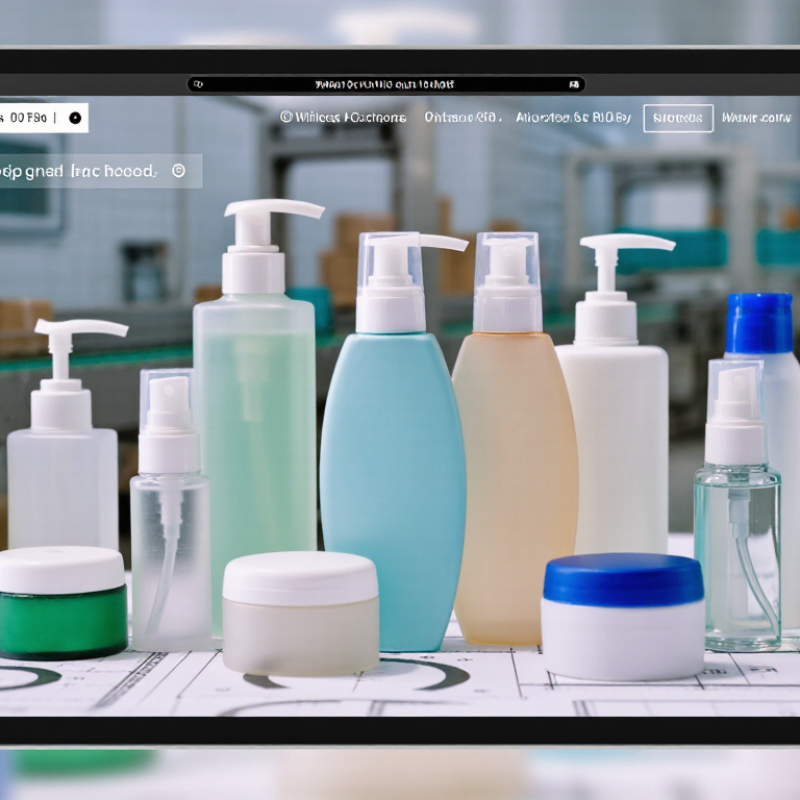
Plastic cosmetic bottle suppliers are manufacturers or sourcing partners that produce containers for skincare, haircare, and personal-care products. Their role extends beyond selling bottles. They help buyers select suitable materials, shapes, closures, pumps, and decoration methods for specific formulas.
A capable supplier can recommend PET, HDPE, or recycled-content options based on product sensitivity and packaging goals. They should provide clear drawings, neck-size details, resin information, and compatibility test results.
A 30ml bottle may look simple, yet its shoulder strength, pump fit, wall thickness, and cap torque affect daily use. Small defects can create leakage, filling delays, or damaged cartons.
Quality experience matters. Buyers should review sample approval procedures, batch records, inspection standards, and production capacity before placing large orders. Drop testing, pressure testing, and visual checks should be documented rather than promised casually. Delivery planning also matters, especially when custom molds or printed surfaces are involved. Ask precise questions.
No supplier is flawless. Even a polished sample may not represent every production batch. Buyers can sometimes focus too heavily on appearance and overlook formula compatibility or transport risks. A reliable supplier welcomes testing, explains limitations, and corrects problems with evidence. That practical transparency often matters more than a low quotation.
Evaluating global packaging suppliers requires more than comparing unit prices. Check resin traceability, production capacity, mold ownership, and documented quality controls. A reliable supplier should provide migration testing, material specifications, and batch records. These documents support safer market entry and stronger buyer confidence.
The OECD Global Plastics Outlook reports that plastic waste doubled from 2000 to 2019, reaching 353 million tonnes. Only 9% was recycled. This makes recycled-content claims and end-of-life planning important supplier criteria.
Assess consistency through samples from different production batches. Measure bottle weight, neck dimensions, closure fit, drop resistance, and decoration adhesion. Ask about minimum order quantities, lead times, emergency capacity, and inspection procedures. Suppliers serving multiple regions should explain how they manage differing packaging regulations.
The 2023 UNEP report states that plastic pollution could fall by 80% by 2040 through reuse, recycling, and reduced plastic demand. Yet, sustainability claims can be incomplete. Request evidence, not attractive wording.
Tips:
Build a weighted scorecard before contacting suppliers. Give quality and compliance higher scores than price. Request two or three independent test reports. Confirm whether recycled resin affects color, odor, or barrier performance. Visit the facility when volumes justify the cost. A remote audit is useful, but imperfect. Also review corrective-action history, because one excellent sample may hide uneven production. Use clear packaging drawings and signed approval samples. Small details matter.
International buyers need more than attractive packaging photos. They need plastic cosmetic bottle suppliers who can deliver consistent quality across borders. A capable supplier should explain resin options, molding limits, decoration methods, and closure compatibility. Ask for samples from current production, not only polished showroom pieces. Check wall thickness, thread fit, pump performance, and leakage after transport. Small details matter.
A practical top-ten comparison should record factory experience, export documentation, production capacity, and response speed. Request certificates for material safety and quality systems, then verify their scope and validity. Requirements differ by market, so buyers should confirm labeling, recycling, and chemical-contact rules with local specialists. Do not assume one document covers every destination. That shortcut can become expensive.
Reliable suppliers usually provide a clear quotation, realistic minimum order quantity, and written lead-time plan. Discuss color matching with physical standards; digital images can mislead. Test filled bottles in heat, cold, vibration, and repeated opening. We once treated a neat sample as proof of readiness. It was not. A second pilot order exposed uneven caps and delayed cartons. That uncomfortable lesson deserves space in every supplier review. Keep inspection records and agree on corrective actions before mass production.
| Rank | Supplier Profile | Primary Production Region | Common Materials | Typical Capacity Range | Standard Bottle Types | Customization Options | Indicative MOQ | Typical Lead Time | Documents to Request |
|---|---|---|---|---|---|---|---|---|---|
| 1 | Supplier Profile 01 | East Asia | PET, HDPE, PP | 30–500 ml | Lotion, shampoo, serum, spray | Color matching, screen printing, labeling, hot stamping | 5,000–10,000 pcs | 25–45 days | Material specification, COA, SDS, pre-production sample |
| 2 | Supplier Profile 02 | Southeast Asia | HDPE, PET, PCR-PET | 50–1,000 ml | Body wash, lotion, conditioner, cleanser | PCR content, custom color, embossing, label application | 10,000–20,000 pcs | 30–50 days | PCR declaration, recycled-content evidence, inspection report |
| 3 | Supplier Profile 03 | South Asia | PET, HDPE, LDPE | 20–250 ml | Face wash, toner, micellar water, oil | Custom molds, transparent or opaque finish, printing | 3,000–8,000 pcs | 30–55 days | Dimensional report, leak test, migration or safety documents |
| 4 | Supplier Profile 04 | Europe | PET, rPET, PP | 30–750 ml | Premium skincare, haircare, refillable formats | Recycled resin, mono-material design, frosted finish, decoration | 10,000–25,000 pcs | 35–60 days | Recycled-content certificate, technical data sheet, quality records |
| 5 | Supplier Profile 05 | North America | HDPE, PET, PP | 60–1,000 ml | Shampoo, conditioner, body lotion, professional care | Custom color, pressure-sensitive labels, closure matching | 5,000–15,000 pcs | 20–45 days | Resin data sheet, batch traceability, packaging specification |
| 6 | Supplier Profile 06 | Latin America | PET, HDPE, PP | 50–500 ml | Shampoo, liquid soap, lotion, sunscreen | Mold adaptation, color matching, label and cap assembly | 5,000–12,000 pcs | 30–50 days | Product specification, closure compatibility test, carton details |
| 7 | Supplier Profile 07 | Middle East | PET, HDPE | 100–1,000 ml | Haircare, bath products, family-size packaging | Opaque colors, UV-resistant resin options, labeling | 10,000–30,000 pcs | 35–60 days | UV-resistance data, leak-test report, packing list and invoice format |
| 8 | Supplier Profile 08 | East Asia | PET, PP, PCR-HDPE | 15–300 ml | Serum, essence, facial mist, travel-size products | Fine-mist compatibility, small-batch decoration, custom mold design | 3,000–10,000 pcs | 25–50 days | Sprayer performance test, material declaration, sample approval record |
| 9 | Supplier Profile 09 | Southeast Asia | PET, HDPE, PP, rPET | 30–500 ml | Natural cosmetics, personal care, refill systems | Refill-ready design, lightweighting, recycled resin, embossing | 8,000–20,000 pcs | 30–55 days | Lightweighting data, recycled-content evidence, compatibility report |
| 10 | Supplier Profile 10 | South Asia | PET, HDPE, PP | 25–750 ml | Lotion, shampoo, cleanser, hand care | Custom shape, color matching, printing, pump and cap assembly | 5,000–15,000 pcs | 30–60 days | Technical data sheet, quality-control report, carton and pallet specification |
Note: MOQ, lead time, capacity, material availability, decoration methods, and documentation vary by project, order volume, tooling requirements, destination market, and final product formulation. Confirm all specifications with the supplier before placing an order.
When comparing the top 10 plastic cosmetic bottle suppliers for global buyers, start with bottle types. Airless bottles help protect creams from repeated exposure. Pump bottles suit lotions, serums, and liquid foundations. Fine-mist sprayers work well for facial toners and lightweight formulas. Squeeze bottles offer controlled dispensing for gels and thicker products. Shape affects handling, filling speed, shipping space, and shelf appeal.
Material selection requires practical testing. PET provides clarity, impact resistance, and a glass-like appearance. HDPE offers stronger opacity and useful chemical resistance. PP tolerates wider temperature changes and supports many closure designs. Recycled plastic can reduce material impact, but its color and consistency may vary. Not every formula suits every resin. Test compatibility.
Customization can include color matching, surface finishing, silk screening, hot stamping, labels, closures, and custom molds. A reliable supplier should provide drawings, samples, material data, and documented quality checks. Ask about wall thickness, neck dimensions, leakage testing, and drop testing. Small details matter. I once saw a beautiful bottle fail because its pump dosage changed during transport. Appearance is not performance.
Request pilot samples before approving large production. Check the bottle after filling, capping, storage, and repeated use. Confirm minimum order quantities, lead times, packaging protection, and inspection procedures in writing. Supplier claims deserve verification. Even experienced buyers can overlook cap torque or label adhesion. A careful review may feel slow, but it prevents expensive rework and disappointing customer experiences.
Typical market capacities vary by product formulation, dispensing method, and intended use. PET is commonly selected for clarity and product visibility, while HDPE and PP are widely used for chemical resistance, durability, and opaque packaging. PCR content, color matching, surface treatment, labeling, silk screening, hot stamping, and custom molds are common customization options for global buyers.
Capacity figures represent commonly offered nominal sizes for cosmetic packaging formats and are not supplier- or brand-specific specifications.
Global buyers should evaluate cosmetic bottle suppliers beyond catalog appearance. Quality begins with resin traceability, dimensional control, and repeatable production. Request ISO 9001 certification, batch records, migration documentation, and leak-test results. For cosmetic packaging, ISO 22716-aligned manufacturing practices also support cleaner, more controlled production.
Pricing needs a landed-cost view. Resin, mold fees, decoration, closures, cartons, duties, and inspection can change the final figure. A low unit price may hide high minimum orders or costly rejects. This is where buyers often misjudge. The Plastics Industry Association reports that recycled-content demand is influencing packaging procurement, while the OECD’s Global Plastics Outlook states that only 9% of plastic waste was recycled in 2019. Ask whether recycled resin affects appearance, pump fit, or lead time.
Shipping details deserve equal attention. Confirm bottle weight, carton dimensions, pallet patterns, and drop-test performance before booking freight. ASTM D4169 distribution testing can help assess transport risks. Ocean freight usually reduces unit cost, but port delays can disrupt seasonal launches. Air freight is faster, though often uneconomical for bulky bottles. The World Bank’s Logistics Performance Index shows substantial differences in customs and delivery efficiency between markets. Supplier comparisons should therefore include Incoterms, production capacity, backup tooling, and real delivery records. Paper compliance is not enough. A sample may pass, then fail after temperature changes.
