
What Are the Top Patio Chair Types for 2026?
Choosing Patio Chairs for 2026 is less about chasing a single trend and more about matching a chair to your space, climate, and daily habits. A compact balcony may suit folding or stackable designs, while a roomy garden can accommodate deep lounge chairs or a coordinated dining set. Before comparing styles, consider seat height, back support, weight, and how easily each chair can be moved or stored. Comfort matters.
Material affects both upkeep and long-term use. Aluminum is generally lightweight and resists rust, while teak offers a warm appearance but benefits from regular care. Resin wicker can bring a woven look without the same maintenance demands as natural fibers. Cushions add softness, though quick-drying fabric and removable covers can make them easier to manage after a shower. Check product specifications, care instructions, and warranty details rather than relying on appearance alone.
This guide explores popular patio chair types, including Adirondack, rocking, swivel, dining, folding, and lounge chairs. Each has practical strengths and compromises. A swivel seat can make conversation easier, but it needs enough clearance. A cushioned lounge chair invites longer afternoons, yet may take more storage space. No chair wins everywhere. The right choice depends on who will use it, where it will sit, and how much care feels realistic. Even a well-reviewed chair can feel wrong at your table, so measure first and, when possible, test the seat before buying.

How Patio Chairs Are Classified by Design and Function
What Are the Top Patio Chair Types for 2026?
How Patio Chairs Are Classified by Design and Function
Patio chairs are easier to compare when grouped by their purpose and shape. Dining chairs usually have upright backs and a seat height that works with an outdoor table. Lounge chairs recline more and suit reading or relaxing beside a pool. Adirondack-style chairs have wide armrests and a low, angled seat, though they can feel awkward around a dining table. Comfort is personal.
Other types solve specific space or movement needs. Folding chairs store neatly in a shed or narrow balcony corner, while stackable designs make it easier to clear a patio for guests. Rocking chairs add gentle movement on a level surface. Swivel chairs let people turn toward conversation without shifting the whole chair. Check that moving parts feel stable and do not catch nearby cushions or furniture.
Materials and construction also affect how a chair functions outdoors. Metal frames are often easy to wipe clean, while wood may need periodic care to keep its finish looking sound. Woven seats can feel airy, but dirt may collect in tight gaps. Measure the patio and table before buying; even a comfortable chair can crowd a walkway. A useful test is sitting in the chair for several minutes, not just judging its appearance. One detail is easy to overlook: armrests may not slide beneath the table.
| Chair Type | Design and Function | Typical Materials | Best Suited For | Key Considerations |
|---|---|---|---|---|
| Adirondack Chair | Usually features a wide seat, broad armrests, and a reclined back with a tall, fan-shaped profile. | Weather-resistant wood, recycled plastic, or molded resin | Porches, fire-pit areas, and relaxed outdoor seating | Its reclined posture may be less convenient for dining; the wide frame can take up more space. |
| Outdoor Dining Chair | An upright chair designed to bring the sitter to table height; may have arms or an armless frame. | Aluminum, steel, wood, resin, or woven outdoor materials | Patio dining tables and outdoor meals | Check seat height and arm clearance against the table, as well as the frame’s weather-care needs. |
| Folding Chair | Uses a hinged frame that folds for storage or transport; many designs are lightweight and portable. | Steel, aluminum, wood, or molded plastic | Small patios, temporary seating, and flexible entertaining | Confirm that the locking mechanism is secure and that folded chairs have a convenient storage space. |
| Rocking Chair | Rests on curved runners or a rocking base to create a gentle back-and-forth motion. | Wood, metal, or durable resin | Covered porches and other level, stable surfaces | Needs enough clearance for the rocking motion; place it on a surface suitable for its base. |
| Swivel Chair | Has a rotating base, often paired with a dining or lounge-style seat, so the sitter can turn without moving the chair. | Metal frame, resin wicker, or other outdoor-rated materials | Dining areas and conversational seating groups | Allow room for rotation and check that the base is stable on the intended patio surface. |
| Lounge Chair | Typically has a reclined back and an extended seat for stretching out; some models adjust between positions. | Aluminum, wood, resin, or outdoor-rated fabric | Poolside areas, decks, and sunbathing or relaxation zones | Consider its footprint, available recline positions, and whether cushions or fabric need to be stored. |
| Sling Chair | Supports the sitter with fabric stretched across a frame; the fabric forms the seat and back rather than relying on thick cushions. | Aluminum or steel frames with outdoor-rated mesh or textile | Poolside seating and patios where easy-drying surfaces are useful | Fabric tension and frame construction affect comfort; check care instructions and replacement options. |
| Stackable Chair | Shaped so multiple chairs can nest or stack vertically when not in use. | Aluminum, steel, resin, or molded plastic | Shared patios, dining areas, and spaces that need adaptable seating | Check the recommended stacking limit and whether the stacked chairs can be stored securely. |
| Zero-Gravity Chair | Uses a reclining frame that raises the legs and shifts the body into a reclined position; many versions fold for storage. | Metal frame with outdoor-rated mesh or fabric | Relaxation areas and portable outdoor lounging | Verify the recline-locking system, weight rating, and folded dimensions before purchase. |
Related Posts
-

15 Best Garden Chairs You Should Consider for Your Outdoor Space
-

Exploring the Future of Patio Chairs: Insights from the 138th Canton Fair 2025 in China
-
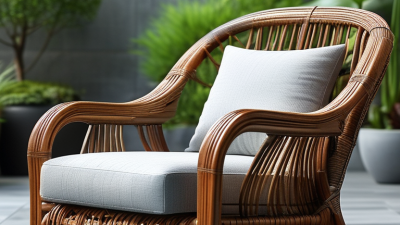
Top Patio Chairs in China for Global Buyers 2026?
-
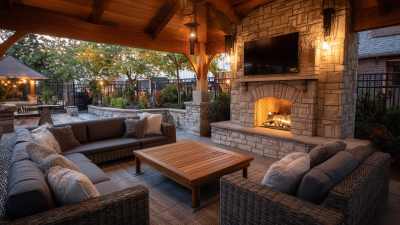
Ultimate Checklist for Choosing the Best Outdoor Patio Furniture for Your Business Needs
-
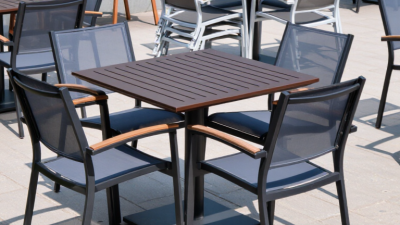
How to Choose Outdoor Chairs for Your Business?
-

How to Choose the Best Outdoor Furniture for Your Space?