
Top 10 Types of Foot Support Insoles Which Is Best?

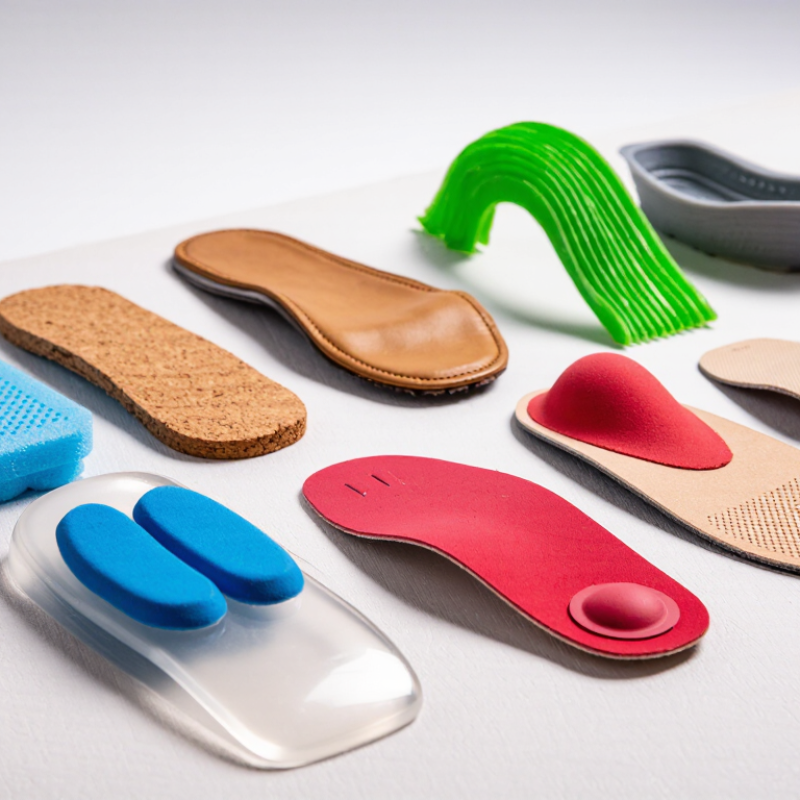
Choosing among Foot Support Insoles can feel surprisingly complicated. Shelves offer foam, gel, cork, leather, arch-support, heel-cup, metatarsal, and custom options. Each design changes pressure, cushioning, stability, or motion differently.

Dr. Benno Nigg, a leading biomechanics researcher, has stated, “Comfort is a good predictor of whether an insole will work for you.” That idea matters in real life. A runner may prefer firm arch support, while a retail worker may need softer cushioning. Someone with heel discomfort might value a deep heel cup. Another person may feel worse after using the same product. Fit is personal.

This guide compares the top ten types of Foot Support Insoles and explains where each design may help. It considers materials, arch shape, foot volume, activity, and replacement life. You will also see practical details, such as whether an insole fits inside a narrow dress shoe or raises the heel inside a hiking boot. Small changes matter.

Not every claim is clear-cut. Some products promise correction when they mainly provide comfort. That difference deserves attention. A supportive insole should not create numbness, sharp pain, or persistent pressure. Begin gradually, especially with rigid models. A qualified podiatrist or other licensed healthcare professional can assess ongoing pain, injuries, diabetes-related concerns, or major gait changes. This is not a perfect ranking. It is a careful starting point for matching support with real feet, real shoes, and real daily demands.
Top 10 Types of Foot Support Insoles Which Is Best?

What Foot Support Insoles Are and How They Work

Top 10 Types of Foot Support Insoles: Which Is Best?

Foot support insoles are removable inserts designed to change pressure, cushioning, and alignment inside footwear. They may support the arch, cradle the heel, or soften repeated impact under the forefoot. Common types include cushioned foam, gel, arch-support, heel-cup, sport, leather, flat, diabetic, corrective, and custom orthotic insoles.

They work through contact and load distribution. A firm arch section can reduce excessive inward rolling, while a heel cup helps stabilize each landing. Softer materials absorb some impact, but they can compress quickly. The American Podiatric Medical Association reports that 77% of American adults have experienced foot pain. That figure shows a real need, not proof that every insole works equally well.

Evidence remains mixed. A 2023 Journal of Orthopaedic & Sports Physical Therapy guideline supports foot orthoses for selected plantar heel pain cases, especially alongside stretching and strengthening.

However, a Cochrane review found limited short-term differences between some orthoses and sham inserts. Fit matters greatly. A painful arch edge is not “support.” It is pressure.

Grand View Research valued the global foot orthotic insoles market at about 3.5 billion dollars in 2023. Market growth reflects demand, not guaranteed clinical benefit. In practice, choose by symptoms, activity, shoe space, and professional assessment. I would not ignore comfort during the first week. Bodies often need adjustment, and sometimes the chosen “best” insole is simply too rigid.

The 10 Main Types of Foot Support Insoles

Choosing among the ten main types of foot support insoles depends on your feet, activity, and symptoms. Cushioned insoles soften hard floors. Gel insoles absorb heel impact during walking. Foam insoles feel lightweight but may compress quickly. Arch-support insoles guide the foot through each step. Orthotic insoles offer more structured correction and should fit carefully. Heel cups focus on pressure beneath the heel. Metatarsal pads support the area behind the toes. Motion-control insoles may help limit excessive inward rolling. Sport insoles add stability for running and training. Anti-fatigue insoles reduce pressure during long hours of standing.

From practical fitting experience, the best choice is not always the firmest one. A rigid insole can feel supportive at first, then create arch soreness. A soft model may feel comfortable but provide too little control. People with diabetes, persistent pain, numbness, or swelling should seek professional assessment before choosing corrective support. Fit matters greatly. The insole should sit flat without crowding the toes or lifting the heel from the shoe.

Tips: Start with short wear periods, such as one hour indoors. Check for red marks after removal. Replace an insole when cushioning becomes uneven or the surface wrinkles. Compare both feet, because they may need different support. This is often overlooked. A modest adjustment may work better than dramatic correction.

How Each Insole Type Supports Different Foot Conditions

Top 10 Types of Foot Support Insoles: Which Is Best?

Different insoles support different foot conditions, and comfort alone is not enough. Flat cushioned insoles suit mild fatigue and everyday walking. Arch-support insoles may help tired arches or flexible flat feet. Motion-control insoles guide excessive inward rolling during each step. Firm orthotic insoles offer stronger control, but they can feel uncomfortable at first.

Heel cups reduce pressure beneath the heel, which may benefit people with heel pain. Gel insoles soften repeated impact on hard floors. Foam insoles provide light cushioning and suit sensitive feet. Metatarsal pads shift pressure away from the ball of the foot. High-arch insoles fill the gap beneath a raised arch and distribute weight more evenly. Accommodative insoles use softer materials for sore areas or pressure-sensitive feet.

A practical fitting check matters. Your heel should stay stable, while your toes need room to move. An insole that feels supportive should not create numbness, rubbing, or new pain. No chart is perfect. A person with plantar heel pain may prefer a heel cup, while another may need firmer arch control. People with diabetes, reduced sensation, or persistent swelling should seek professional assessment before choosing support. Replace worn insoles when the foam collapses or the heel tilts. Small changes matter.

Top 10 Types of Foot Support Insoles: Which Is Best? — How Each Insole Type Supports Different Foot Conditions

Insole Type Typical Design or Material How It Supports the Foot Commonly Used For Main Advantages Important Limitations General Firmness
1. Cushioning Insoles Foam or other shock-absorbing layers across most of the footbed Reduces the feel of impact and distributes pressure over a larger contact area General foot fatigue, standing for long periods, walking on hard surfaces, mild impact discomfort Comfortable, lightweight, and easy to adapt to Usually provides limited arch control and may compress with extended use Soft to medium
2. Arch-Support Insoles Contoured footbed with a raised medial, lateral, or full-arch profile Improves contact beneath the arch and can help distribute load away from concentrated pressure areas Arch fatigue, flexible flat feet, overpronation-related discomfort, general walking support Offers more structural support than a flat comfort insole An incorrect arch height or position may cause pressure or discomfort Medium
3. Functional or Motion-Control Orthotics Semi-rigid shell with a shaped heel cup and contoured arch Helps guide foot motion and may reduce excessive pronation or unwanted movement during gait Selected cases of overpronation, activity-related foot pain, and biomechanical loading problems Provides more control and durability than soft foam alone Requires careful fitting; motion control is not appropriate for every foot type Medium to firm
4. Accommodative Orthotics Soft, molded materials shaped around sensitive areas, prominences, or deformities Cushions and redistributes pressure rather than strongly restricting foot motion Diabetic foot risk management, arthritis-related sensitivity, bunions, hammertoes, and prominent metatarsal areas Prioritizes pressure relief and comfort around sensitive structures May wear faster and usually offers less motion control Soft to medium
5. Heel Cups and Heel Cushions U-shaped heel cup, foam insert, or gel cushion concentrated under the heel Centers the heel and cushions impact at initial contact with the ground Heel-pad soreness, impact-related heel discomfort, and some cases of plantar heel pain Compact and useful when the heel needs targeted cushioning Does not provide meaningful arch or forefoot support; excessive heel elevation may affect shoe fit Soft to medium
6. Metatarsal Pad Insoles Small dome or pad positioned behind the ball of the foot Spreads pressure across the metatarsal area and may reduce load directly beneath painful metatarsal heads Metatarsalgia, forefoot pressure, and some symptoms associated with Morton’s neuroma Targets the forefoot without requiring a full-length rigid insole Incorrect placement can increase discomfort; it does not correct every cause of forefoot pain Soft to medium
7. Gel Insoles Gel or elastomer zones under the heel, forefoot, or full footbed Absorbs and spreads some localized impact while improving underfoot comfort Temporary comfort during standing, walking, and low-impact activities Good localized cushioning and generally easy to install Often provides little arch or alignment control and can feel unstable in some shoes Soft
8. Rigid-Shell Insoles Firm plastic or composite shell covered with a thin cushioning layer Limits excess motion and maintains a consistent footbed shape under load Selected structural or biomechanical problems requiring substantial control Durable and effective when strong control is clinically appropriate Less forgiving, may need a gradual break-in period, and can be uncomfortable if poorly fitted Firm
9. Carbon-Fiber or Spring-Plate Insoles Thin, lightweight carbon-fiber or composite plate, sometimes combined with cushioning Restricts bending through the foot and toes, reducing motion at selected joints Some cases of painful toe-joint motion, such as hallux rigidus, when recommended by a clinician Very thin and capable of providing substantial forefoot stiffness Provides minimal cushioning and may alter gait or cause pressure elsewhere if unsuitable Very firm
10. Custom-Molded Foot Orthotics Individually shaped device using a foot assessment, scan, or mold; may be soft, semi-rigid, or rigid Combines pressure redistribution, arch support, heel control, or motion guidance according to individual needs Persistent symptoms, significant asymmetry, complex foot shape, or conditions requiring individualized fitting Can be tailored to anatomy, activity, footwear, and treatment goals Higher cost, possible adjustment appointments, and not automatically superior for every user Soft to very firm

Selection note: The best insole depends on the specific condition, foot shape, activity, footwear, and comfort response. Persistent pain, numbness, swelling, skin changes, or diabetes-related foot concerns should be assessed by a qualified healthcare professional.

Key Factors for Choosing the Right Support Insole

Top 10 Types of Foot Support Insoles: Which Is Best?

Choosing the right support insole begins with your foot, not the product label. The American Podiatric Medical Association reported that 77% of surveyed adults had experienced foot pain. That figure shows why comfort deserves clinical attention. Measure both feet, because they are rarely identical. Check arch height, heel width, shoe depth, and your daily activity. A runner may need shock absorption, while a retail worker may need stable, firm support.

Common options include cushioned insoles, gel inserts, heel cups, arch supports, metatarsal pads, rigid orthoses, semi-rigid designs, and custom-made devices. Each serves a different purpose.

Choose cushioning for repeated impact. Consider a heel cup for localized heel pressure. Metatarsal pads may reduce forefoot loading, but placement matters. Too far forward can create new discomfort. Small details matter.

The Cochrane review on foot orthoses for plantar heel pain found uncertain evidence for long-term benefit. That finding should prevent overconfident claims. An insole may help symptoms, but it cannot correct every walking pattern. Start with gradual wear, perhaps one hour daily, and inspect your skin after use.

Persistent pain, numbness, swelling, or unequal wear deserves assessment by a qualified podiatric professional. I would not choose the firmest insert automatically; firmer does not always mean better. A useful fit feels supportive, not intrusive, inside the shoe.

How to Compare Comfort, Support, Durability, and Cost

Top 10 Types of Foot Support Insoles: Which Is Best?

How to Compare Comfort, Support, Durability, and Cost

Foot support insoles vary widely. Common types include cushioned, arch-support, heel-cup, metatarsal, gel, foam, leather, motion-control, custom, and replacement insoles. Each solves a different problem. Comfort should come first, but soft padding alone may not support your stride. Walk indoors for several minutes. Check for pressure beneath the arch, heel, or forefoot. A good fit feels stable, not restrictive.

Support depends on foot shape, activity, and footwear. A firm arch design may help during long standing, while a flexible foam insole may suit casual walking. Heel cups can reduce sliding inside loose shoes. Metatarsal pads need careful placement. Too far forward can create discomfort.

I once chose an insole by softness alone. My feet felt pleasant initially, then tired after two hours. That was a useful mistake.

Durability depends on material, body weight, walking surface, and daily use. Leather and dense foam may resist flattening, but they often cost more. Gel can feel comfortable, though its cushioning may change over time. Custom orthotics usually offer precise support, yet they require professional assessment and a larger budget.

Compare the price per month, not only the checkout price. Inspect compressed areas every few weeks. Persistent pain, numbness, or swelling deserves evaluation by a qualified healthcare professional.

No products in the cart.