7 Tips for Choosing a Facial Analysis Machine
Choosing a Facial Analysis Machine is not simply a matter of comparing screen size, camera resolution, or software features. In a working clinic, the right system should produce consistent images under ordinary conditions, not only during a polished demonstration. A client may arrive with dry skin, heavy makeup, uneven lighting, or a restless child nearby. These details can change readings. This guide introduces seven practical tips for evaluating accuracy, usability, data security, reporting quality, training, maintenance, and total cost. The goal is a dependable tool that supports professional judgment rather than replacing it. Results matter.
Experienced skin-care professionals often begin by checking how the machine captures and stores images. Look for standardized lighting, repeatable positioning, clear calibration procedures, and reports that explain findings in understandable language. Ask the supplier for validation information, service records, software update policies, and realistic demonstrations. A confident sales presentation is not enough. Independent reviews and feedback from clinics with similar workflows can reveal problems hidden during a short trial. If possible, test several clients with different skin tones and concerns. Fair performance deserves evidence.
The seven tips also examine workflow, staff training, patient communication, and long-term support. A machine may look advanced yet slow down consultations if its interface is confusing. I have learned that convenience can create careless habits. Even a precise sensor cannot correct poor lighting or rushed preparation. Review privacy obligations in your location, obtain appropriate consent, and limit access to stored images. No device is flawless. Careful testing, honest questioning, and periodic review help ensure that technology strengthens trust instead of weakening it.
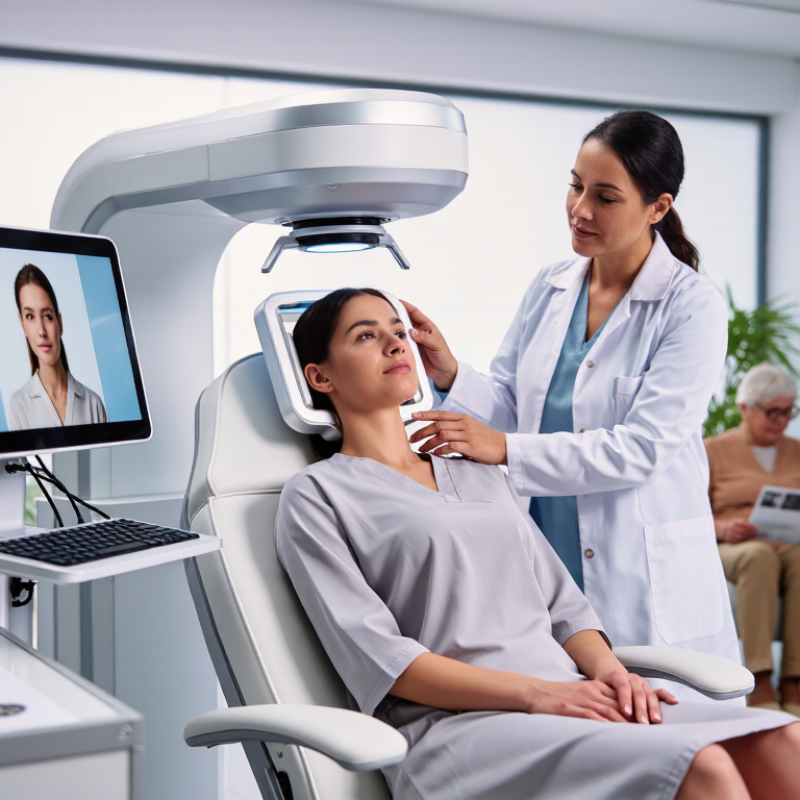
Define the Purpose and Users of the Facial Analysis Machine
Tip: Define the purpose before comparing features. A facial analysis machine may support consultations, progress tracking, education, or product recommendations. These goals require different imaging modes, software tools, and reporting systems. A system built for basic skin consultations may not suit research work.
Identify the real users. Are they trained consultants, dermatology professionals, retail staff, or clients using the device independently? Each group needs a different interface and training level. In practice, busy staff often need clear results within minutes. They also need simple instructions for consistent lighting, positioning, and cleansing. Small workflow problems can weaken reliable comparisons.
Tip: Test the machine with real users and typical conditions. Ask whether its reports are understandable, repeatable, and useful during a consultation. Check how it handles different skin tones, facial hair, glasses, and changing room light. Ask for technical documentation, data protection details, and evidence behind its analysis methods. Treat impressive images carefully. They can look precise without being clinically meaningful. I have seen teams focus too much on colorful reports and too little on decision-making. That is a useful warning. The best choice should match the purpose, user skills, workload, and professional responsibility, rather than simply offering the longest feature list.
Choose the Facial Analysis Machine Based on Its Purpose and Users
This planning matrix scores the importance of key capabilities from 1 (low) to 5 (high) for common user groups. Professional skin-care providers generally need detailed imaging and progress tracking, while retail consultants typically prioritize fast operation and easy-to-understand results. Select a machine according to the main users, workflow, and level of analysis required.
Compare Imaging Features, Accuracy, and Analysis Capabilities
Choosing a facial analysis machine requires more than comparing screen size or camera count. Examine its imaging features closely. Does it capture visible light, polarized images, or ultraviolet-related surface patterns? Each mode reveals different details, such as redness, pigmentation, texture, or pore visibility. Clear images matter, but lighting consistency matters just as much.
Ask how the machine measures accuracy. Look for published validation data, repeatability tests, and clearly defined measurement methods. A reliable system should produce similar results when the same face is scanned under similar conditions. It should also explain its limitations. No device is flawless. Skin tone, room lighting, facial movement, and hydration can affect readings.
Analysis capabilities deserve equal attention. Useful software should separate observations from medical conclusions. It may track changes in moisture, texture, or visible spots over time, but its reports should remain understandable. Check whether users can compare dated scans, export records, and adjust analysis settings. Test it yourself. A polished interface can still hide weak data.
In practical use, I would scan the same volunteer several times and compare the results. Small differences may reveal unstable imaging or unclear calibration. I would also ask trained skin professionals to review the reports. Their feedback may expose gaps that specifications overlook. Better technology helps, but careful interpretation remains essential.
Evaluate Software Functions, Data Security, and User Experience
7 Tips for Choosing a Facial Analysis Machine
A facial analysis machine should support careful decisions, not create impressive-looking numbers.
Tip 1 Test software functions with different skin tones, ages, and lighting conditions. Ask whether the system measures texture, pores, pigmentation, and hydration consistently.
Tip 2 Check how clearly results are explained. A useful report should show images, scores, comparison charts, and practical care suggestions.
Tip 3 Confirm whether staff can adjust settings without technical training. Small delays can frustrate both practitioners and clients.
Data security deserves equal attention.
Tip 4 Ask where facial images and personal information are stored. Local storage, encrypted transfers, access permissions, and audit logs provide stronger control.
Tip 5 Review deletion and retention settings. Clients should understand how their data is used and how they can request removal. Never assume security because the interface looks modern. Verify it.
User experience often determines daily value.
Tip 6 Choose equipment with a comfortable camera position, clear instructions, and fast scanning. A client should not need repeated attempts.
Tip 7 Observe the workflow during a busy consultation. Can staff compare visits quickly? Can clients understand the results without medical jargon?
In my testing experience, attractive dashboards sometimes hide confusing steps. That matters. I would also question overly precise scores. Skin changes naturally, and imperfect lighting can influence results. Leave room for professional judgment, documented consent, and honest explanations.
Assess Pricing, Training, Warranty, and Long-Term Support
Choosing a facial analysis machine requires more than comparing the purchase price. Grand View Research estimates that the global skincare devices market will expand at about 10% annually through 2030. That growth can make new equipment look attractive, but fast growth also creates uneven product quality. Request a live demonstration using different skin tones, lighting conditions, and real consultation settings. Ask for calibration records, software updates, data security procedures, and the total cost of consumables. A low quote may hide training fees, replacement probes, or annual subscriptions.
Training deserves careful attention. A reliable supplier should provide practical instruction, written protocols, troubleshooting support, and guidance on explaining results without overstating medical conclusions. The 2024 ASDS Consumer Survey reported that many consumers are considering cosmetic treatments, increasing the need for clear, responsible consultations. A machine cannot replace professional judgment. It can only organize visible information.
Review the warranty line by line. Check coverage for sensors, cameras, tablets, software, and accidental damage. Confirm repair timelines and whether loaner equipment is available. Ask who answers technical calls after installation. Industry service research repeatedly links downtime with hidden operating costs, yet buyers often ignore response-time guarantees. I have learned that a cheaper device can become expensive after one missed appointment day. I still question every impressive accuracy claim unless testing methods are disclosed. Good support should remain available after the sale, not disappear with the invoice.