Outdoor Furniture Trends for 2026 What You Need to Know?
As we move toward 2026, the landscape of Outdoor Furniture continues to evolve. Renowned expert in outdoor living design, Jane Doe, states, "The future of outdoor spaces speaks to comfort and sustainability." This sentiment underscores the significance of innovating within the industry.
Outdoor Furniture will not just be about aesthetics; it will reflect a lifestyle choice. High-quality materials and eco-friendly designs are becoming priorities. Many consumers now opt for furniture that complements both nature and modern living. However, the challenge lies in balancing style and functionality.
Furthermore, outdoor spaces are no longer mere extensions of our homes. They are essential retreats for relaxation and social gatherings. Trends show a demand for versatile pieces that are easy to maintain yet visually appealing. As we approach 2026, we should reflect on how we can enhance our outdoor living spaces while considering the shifting preferences of consumers.
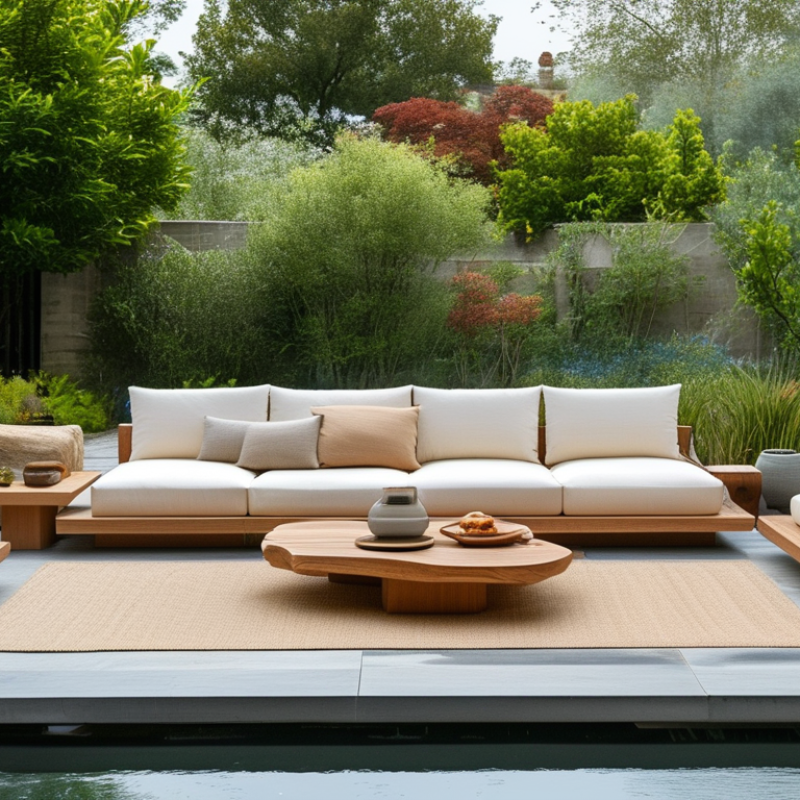
Emerging Materials in Outdoor Furniture for 2026
As we look ahead to 2026, outdoor furniture is experiencing a significant transformation in material innovation. One standout trend is the rise of recycled plastics. Utilizing waste materials not only minimizes environmental impact but also creates durable products. These materials resist fading and are easy to clean, appealing to both eco-conscious consumers and those seeking convenience.
Natural fibers are making a comeback too. Bamboo and rattan are increasingly favored for their lightweight properties and aesthetic appeal. They offer a warm, organic feel that enhances outdoor spaces. However, maintaining these materials can be challenging. They require proper care to ensure longevity, which may deter some buyers.
Metal finishes are evolving as well. Powder-coated aluminum and stainless steel are now common choices for their resistance to corrosion. Yet, the aesthetic can sometimes lean towards cold or industrial. Designers are experimenting with textures and colors to create a more inviting atmosphere. This blend of durability and style is essential, but it raises questions about balance in design. Will the focus on resilience compromise comfort? As we embrace these emerging materials, finding harmony in practicality and aesthetics becomes crucial.
Sustainable Design Trends in Outdoor Living Spaces
Sustainable outdoor living spaces are becoming a top priority for homeowners in 2026. As environmental awareness grows, more people seek eco-friendly options. This trend influences how we design our patios, gardens, and outdoor areas. Materials like recycled plastic, responsibly sourced wood, and even metal are gaining popularity. These choices reflect a commitment to sustainability.
Furnishings made from natural fibers are also emerging. Think of organic cotton cushions and bamboo lounge chairs. They provide comfort while being gentle on the planet. Designers are emphasizing the importance of durability. Products that last save resources over time, reducing waste. However, finding a balance is often challenging. Consumers sometimes struggle to understand what qualifies as sustainable.
Landscaping plays a vital role too. Native plants require less water, which is a smart choice. Outdoor furniture designed to blend with nature offers aesthetic appeal. But, not all designs achieve this harmony. There can be a disconnect between style and sustainability. It's essential to look for solutions that bridge this gap and promote a healthier outdoor environment.
Outdoor Furniture Trends for 2026
This chart displays the projected popularity of various sustainable design trends in outdoor living spaces for the year 2026.
Color Palettes and Aesthetic Trends for Outdoor Furniture
As we approach 2026, outdoor furniture design continues to evolve, emphasizing color palettes and aesthetic trends. Current research from the American Home Furnishings Alliance indicates that over 70% of consumers are now prioritizing color in their outdoor spaces. Subtle earth tones are gaining popularity. Shades like terracotta, olive green, and soft beige enhance natural surroundings.
Contrastingly, some homeowners lean towards bolder accents. Vibrant hues like deep turquoise and sunny yellow provide a striking contrast against greenery. A recent survey shows that 68% of design professionals expect contrasting colors to dominate future outdoor settings. This shift indicates a desire for personal expression and unique outdoor experiences.
Textures are also integral to outdoor aesthetics. Woven materials in natural fibers add a tactile quality that draws people in. Yet, achieving harmony between color and texture remains challenging. A mismatch may result in an overwhelming visual experience. Therefore, careful consideration is essential when selecting colors and materials. Balancing vibrant tones with subdued textures can create a serene yet inviting space.
Innovative Multifunctional Outdoor Furniture Solutions
As we approach 2026, outdoor living spaces are becoming essential extensions of our homes. Innovative multifunctional outdoor furniture is leading the charge in this transformation. These pieces not only enhance aesthetics but also serve various purposes, effectively maximizing space. For instance, a bench that doubles as storage can keep your patio neat while providing ample seating.
The demand for sustainability is another trend shaping outdoor furniture. Recycled materials are now prevalent, offering eco-friendly options. Consider modular designs that can be rearranged for different occasions. This flexibility allows homeowners to adapt their spaces for gatherings or relaxation seamlessly. It's important, though, to choose materials that withstand the elements and time.
Reflecting on functionality is crucial. While a striking piece catches the eye, ensure it meets your practical needs. Evaluate if the furniture's design aligns with how you use your outdoor area. If the furniture is difficult to move or clean, it may not be worth it. Prioritize pieces that provide both style and utility for a lasting impact on your outdoor experience.
Technology Integration in Outdoor Furniture for Modern Living
In 2026, outdoor furniture will increasingly combine style with technology. The rising demand for outdoor living spaces has driven innovation in this sector. According to a recent industry report, 45% of consumers prioritize tech-integrated furniture for its convenience, functionality, and modern appeal. This trend signals a shift in how we perceive outdoor spaces.
Technology integration includes features like solar-powered lights and built-in Bluetooth speakers. Outdoor furniture will not only provide comfort but also enhance leisure activities. Data shows that 35% of homeowners plan to invest in smart outdoor solutions within the next few years. This indicates a growing recognition of how tech can elevate the outdoor experience.
However, challenges exist. Integration must maintain aesthetic appeal while ensuring usability. Some designs fall short, lacking the seamless blend of function and form that consumers demand. There's also the need for durability in adverse weather conditions. The industry must address these issues to stay relevant and meet evolving consumer needs.
Outdoor Furniture Trends for 2026: Technology Integration in Outdoor Furniture for Modern Living
| Trend |
Description |
Technology Used |
Benefits |
| Smart Outdoor Lighting |
Integration of app-controlled lighting for ambiance and security. |
Wi-Fi, Bluetooth, Solar Panels |
Energy efficiency, customizable lighting scenes. |
| Modular Outdoor Furniture |
Furniture designed to be rearranged for various uses. |
Smart Connectors, Materials Innovation |
Flexible configurations, easy storage. |
| Sustainable Materials |
Use of recycled or eco-friendly materials in furniture production. |
Biodegradable Plastics, Recycled Metals |
Reduced environmental impact, health safety. |
| Integrated Heating Systems |
Outdoor furniture that includes built-in heating elements. |
Radiant Heat Technology |
Extended usability during colder months. |
| Remote-Controlled Features |
Furniture components that can be controlled via smartphone. |
IoT Devices, Mobile Apps |
Convenience and enhanced user experience. |