
How to Choose the Best Cat Litter Box for Your Cat?

Choosing the right Cat Litter Box is not a minor shopping decision. It can influence cleanliness, stress, and everyday feline behavior. The American Pet Products Association’s 2023–2024 National Pet Owners Survey reported that 46.5 million U.S. households own cats. That represents millions of homes managing litter habits, odors, tracking, and space limitations.

Industry research also shows steady growth in the global cat litter market, according to Grand View Research’s Cat Litter Market Size, Share & Trends Analysis Report. More products now offer automatic cleaning, odor control, recycled materials, and low-dust formulas. More options do not always mean better choices. Sometimes, a plain, spacious box works best.

Cat behavior consultant Mikel Delgado has said, “The litter box is one of the most important resources in your cat’s environment.” His point deserves attention. A box should usually be large enough for your cat to turn comfortably, with an entrance that matches its age and mobility. In multi-cat homes, the common recommendation is one box per cat, plus one extra. Placement matters too. A quiet corner may feel safer than a busy laundry room beside a vibrating machine.

This guide examines box size, shape, entry height, litter compatibility, cleaning needs, and household layout. It also questions popular assumptions. Covered boxes can hide odors from people, but some cats may dislike trapped smells. Automatic models save time, yet frightened cats may avoid unfamiliar sounds. There is no perfect design for every cat. Careful observation remains essential.
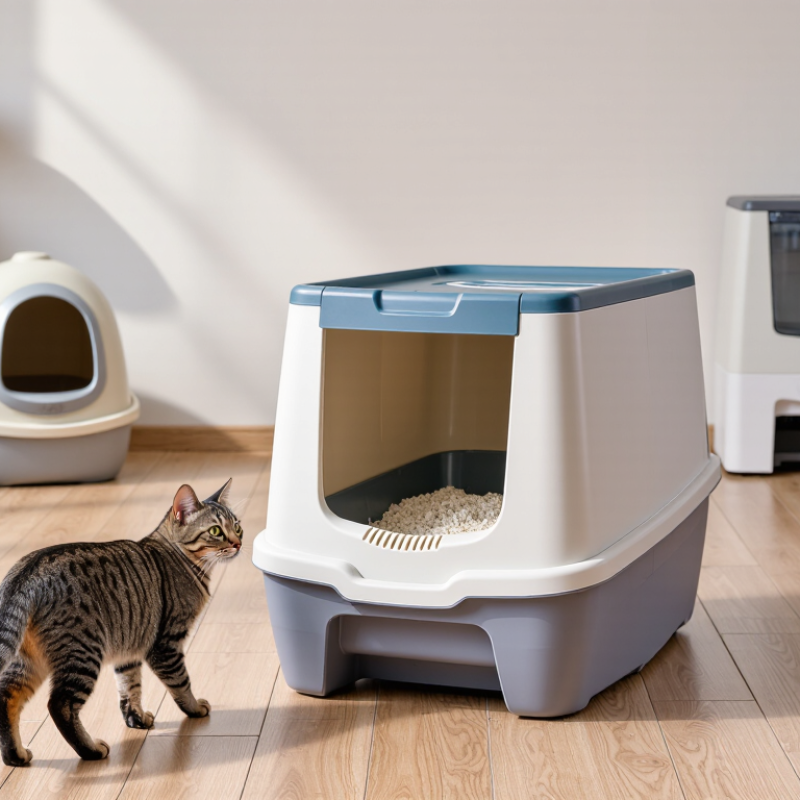
How to Choose the Best Cat Litter Box for Your Cat?

Understand Your Cat’s Litter Box Needs

A cat’s litter box needs begin with comfort, not appearance. Watch how your cat enters, turns, squats, and leaves. The box should usually be about one and a half times your cat’s body length. A box that looks spacious to you may feel cramped to a large cat. Kittens, older cats, and cats with joint pain may need a low entrance. Covered designs can reduce mess, but some cats dislike confined spaces. My own mistake was choosing a deep box for cleanliness. My cat avoided it.

Litter texture matters as much as box size. Many cats prefer a fine, sand-like, unscented litter under their paws. Make changes gradually instead of replacing the old litter overnight. Offer two boxes with different depths or textures for a short trial. Their choice gives useful evidence. Still, preferences can change after stress, illness, or household changes.

Place the box in a quiet, reachable area, away from food and loud appliances. A cat should not cross a busy hallway to use it. Provide one box per cat, plus one extra when possible. Scoop waste daily, and wash the box regularly with mild, unscented soap. Avoid strong fragrances. They can mask odors for people while making the area unpleasant for cats. If your cat suddenly stops using the box, do not assume stubbornness. Pain, urinary problems, or constipation may be involved, so a veterinary examination may be the safer response.

Compare Litter Box Types, Sizes, and Designs

How to Choose the Best Cat Litter Box for Your Cat?

Compare Litter Box Types, Sizes, and Designs

Choosing a litter box starts with your cat’s habits, not its appearance. Open boxes offer easy access and better visibility. They also contain odors less effectively. Covered boxes provide privacy, but some cats dislike enclosed spaces. I once chose a covered box for a nervous cat. It looked tidy, yet the cat avoided it. That mistake taught me to watch behavior before judging design.

Size matters more than many owners expect. A cat should enter, turn around, dig, and leave without touching the walls. As a practical guide, the box should be about one and a half times your cat’s body length. Kittens need low-entry sides, while older or stiff cats may need a wide entrance. High-sided boxes help reduce scattered litter, but they can challenge small or mobility-limited cats. Self-cleaning designs may save time, though they still need inspection and routine maintenance. Convenience is not proof of suitability.

Tips: Place boxes in quiet, accessible areas. Avoid tight corners beside loud appliances. Provide one box per cat, plus one extra when possible. Scoop daily and wash the box regularly with mild, unscented soap. Notice changes in use, posture, or accidents. They can signal stress or health concerns. If problems continue, consult a qualified veterinarian. My own preference is not universal; cats can be surprisingly particular.

Evaluate Location, Accessibility, and Cleaning Requirements

How to Choose the Best Cat Litter Box for Your Cat?

Evaluate Location, Accessibility, and Cleaning Requirements

After helping cats adjust to indoor routines, I have learned that location often matters more than appearance. Location changes everything. Choose a quiet, well-ventilated area away from food and constant foot traffic. Your cat should reach the box without passing noisy machines, slippery floors, or closed doors. A bathroom corner may seem convenient, but sudden household activity can make some cats avoid it.

Access matters. Older cats, kittens, and cats with mobility problems may struggle with high entrances or narrow openings. Select a box with a low entry, while keeping enough interior space for turning and digging. Watch your cat enter and leave. Their posture reveals problems that product descriptions cannot. I once chose a box that looked roomy, but its tall rim discouraged a nervous cat.

Cleaning requirements should fit your daily schedule. Scoop waste at least once daily, and inspect hidden corners for stuck litter. Wash the box regularly with mild, unscented soap, then dry it completely. Strong fragrances can overwhelm sensitive cats. Covered boxes may reduce scattered litter, yet they can trap odors when cleaning is delayed. That trade-off deserves honest attention.

Place a washable mat beneath the box to catch loose granules. Measure the available area before buying, including space for your cat to turn comfortably. If accidents continue, reconsider location, cleanliness, and access before blaming the cat. Small changes can reveal a bigger environmental problem.

Choose Safe Materials and Cat-Friendly Features

How to Choose the Best Cat Litter Box for Your Cat?

A safe litter box should be made from sturdy, non-toxic, easy-to-clean materials. Stainless steel resists odor absorption and scratching, while smooth, high-quality plastic can also work well. Avoid boxes with peeling surfaces, sharp edges, or strong chemical smells. A new box should smell neutral, not like a factory.

Size matters more than many owners expect. Your cat should turn, dig, and cover waste without touching the walls. A box about one and a half times your cat’s body length is a useful starting point. Kittens, older cats, and cats with limited movement may need a low entrance. Keep the base stable. A sliding box can make a nervous cat avoid it.

Consider your cat’s habits, not only your room’s appearance. Some cats prefer open boxes because they offer a clear view. Others feel safer with partial cover, but poor ventilation may trap odors. A removable liner sounds convenient, yet some cats dislike the crinkling texture.

I once chose a covered box for easy cleaning, then noticed my cat hesitated before entering. The design suited me, not her. That mistake still influences my choices.

Check seams and corners weekly. They can hold damp litter and bacteria. Wash the box with mild, unscented soap, rinse thoroughly, and dry it completely. Cats notice small changes. A clean, quiet, comfortable box usually earns trust faster than a clever-looking design.

Set Up, Test, and Maintain the Best Litter Box

Choosing the best cat litter box starts with your cat’s habits, size, and mobility. A box should allow easy turning without touching the sides. Larger cats often need more floor space than standard boxes provide. Low entrances help kittens, older cats, and cats with stiff joints. Covered boxes can reduce scattered litter, but some cats dislike enclosed spaces. Place the box in a quiet, reachable area away from noisy appliances.

Set the box on a level floor and add about five to seven centimeters of litter. During the first week, observe carefully. Hesitation, wall scratching, or standing on the rim may signal discomfort. Change only one feature at a time, such as location or litter depth. I once moved a box too quickly and confused my cat. That mistake reminded me to test changes slowly.

Tips: Scoop waste daily and remove stuck litter from the sides. Wash the box regularly with mild, unscented soap, then dry it completely. Avoid strong fragrances, which may discourage use. Keep one box per cat, plus one extra when space allows. Notice patterns. Sudden accidents, straining, or frequent visits may require veterinary advice, not stricter cleaning.

How to Choose the Best Cat Litter Box for Your Cat? — Set Up, Test, and Maintain the Best Litter Box

Evaluation Area Recommended Standard How to Test It Why It Matters Maintenance Action
Box Size The box should be about 1.5 times the cat’s body length, excluding the tail. Check whether the cat can enter, turn around, dig, and cover waste without touching the sides. A box that is too small can cause discomfort and may lead to avoidance or accidents outside the box. Replace the box with a larger model as the cat grows or if waste regularly lands near the edges.
Box Height Use low entry points for kittens, senior cats, and cats with limited mobility; higher sides can help contain scattered litter. Observe whether the cat can step over the entrance without hesitation, slipping, or jumping excessively. Easy access improves safe, consistent use while higher walls reduce mess. Keep the entrance clear and consider a lower-entry box for cats with arthritis or weakness.
Open or Covered Design Begin with an open box unless the cat clearly prefers privacy and the enclosure provides adequate ventilation. Offer the preferred box alongside an alternative for several days and compare use, hesitation, and accidents. Some cats dislike confined spaces or trapped odors, while others feel more secure with privacy. Clean covered boxes more frequently because odors can accumulate inside.
Number of Boxes Provide one box per cat plus one additional box; place them in separate, accessible locations. Track whether every cat can reach a box without passing another cat or encountering a blocked route. Multiple boxes reduce competition, waiting, and territorial stress in multi-cat homes. Scoop all boxes daily and avoid removing a box suddenly after cats have become accustomed to it.
Location Choose quiet, well-ventilated areas that are easy to reach and away from food and water. Check for loud appliances, heavy foot traffic, blocked exits, or sudden disturbances near the box. Cats may avoid boxes located in frightening, noisy, or difficult-to-access areas. Keep the route open and maintain a stable location whenever possible.
Litter Depth Start with approximately 5–7 cm of litter, adjusting for the cat’s digging and covering habits. Observe whether the cat can dig comfortably and whether urine reaches the bottom of the box. Too little litter may allow waste to stick to the base; too much can feel unstable or wasteful. Top up as needed and maintain a consistent depth after cleaning.
Litter Texture Many cats accept a fine, sand-like, unscented texture, but individual preferences vary. Introduce a new texture gradually by placing separate boxes side by side rather than changing abruptly. Paw sensitivity and texture preferences strongly influence acceptance. Remove heavily soiled material and change texture only through a gradual transition.
Scent Level Choose unscented or lightly scented litter when possible, especially for cats sensitive to odors. Watch for hesitation, rapid exit, scratching near the box, or elimination elsewhere after changing scent. A cat’s sense of smell is highly sensitive, and strong fragrances may discourage use. Avoid air fresheners and strongly scented cleaning products around the litter area.
Clumping Performance Clumps should form firmly enough to remove without breaking apart, while remaining easy to scoop. Scoop several hours after use and check whether the clump stays together and leaves minimal residue. Firm clumping supports hygiene and reduces the amount of clean litter removed. Scoop solid waste and urine clumps at least once daily, preferably more often in multi-cat homes.
Dust Control Select a low-dust litter and pour it slowly to reduce airborne particles. Look for visible dust during pouring and observe whether the cat coughs, sneezes, or avoids the box. Reduced dust helps keep the surrounding area cleaner and may improve comfort for sensitive cats. Pour gently, clean surrounding dust, and consult a veterinarian if respiratory signs continue.
Tracking Control Use a textured, washable mat outside the box and place the box away from sleeping areas. Check the floor around the box after use and note how much litter is carried on the cat’s paws. Tracking spreads litter through the home and can create an unpleasant surface for people and pets. Shake or vacuum the mat regularly and wash it according to its material instructions.
Initial Acceptance Test Keep the setup stable and observe behavior for at least several days after introduction. Record box visits, digging, elimination, covering, hesitation, and accidents outside the box. Behavioral observations reveal preferences more reliably than appearance alone. Change one feature at a time so the cause of acceptance or rejection can be identified.
Daily Cleaning Remove feces and urine clumps at least once every day; more frequent scooping may be needed. Check the box at a consistent time and remove all visible waste. Clean litter encourages regular use and limits odor buildup. Replace removed litter and keep the litter depth within the cat’s preferred range.
Complete Washing Empty and wash the box regularly, using mild unscented soap and warm water. Inspect the base for stuck waste, cracks, strong odor, or a rough surface. Residue and absorbed odors can make a cat reject the box. Rinse thoroughly and dry completely before adding fresh litter; avoid harsh fragrances.
Replacement Timing Replace plastic boxes when they become cracked, deeply scratched, permanently odorous, or difficult to clean. Run a hand over the interior and inspect for damage or persistent odor after washing. Damaged surfaces retain waste and bacteria more easily than smooth, intact surfaces. Replace damaged accessories promptly and maintain a spare box during transitions.
Safety Monitoring Sudden box avoidance, straining, frequent attempts, blood, diarrhea, or no urine requires prompt attention. Monitor elimination frequency and appearance without disturbing the cat while using the box. Changes in litter-box behavior can signal urinary, digestive, pain, or stress-related problems. Contact a veterinarian promptly, especially if a cat strains or cannot urinate.

Practical setup tip: Introduce changes gradually, keep the litter area clean, and prioritize the cat’s access, comfort, and observed preferences.

Article Source:

No products in the cart.