
Hard Wood Flooring remains a serious choice for homeowners who want warmth, durability, and a visible connection with natural materials. The market is not small. Grand View Research estimated the global wood flooring market at approximately USD 9.46 billion in 2022, with continued growth expected through 2030. Fortune Business Insights also identifies residential renovation and premium interiors as important demand drivers. These figures indicate strong interest, but they do not make every wood floor suitable for every room.
As Brett Miller, technical expert and former vice president of the National Wood Flooring Association, explains, “Wood flooring is a natural product, and no two floors are exactly alike.” That difference matters. Solid hardwood can often be refinished many times, while engineered wood usually performs better over concrete and in changing humidity. Oak offers dependable hardness and visible grain. Maple appears smoother, but it can show dents differently. The best type depends on subfloor conditions, moisture levels, traffic, installation method, and maintenance habits.
There is no universal winner.
A hallway with muddy shoes needs a different specification from a quiet bedroom. A basement installation may expose weaknesses that a showroom sample hides. Even attractive wide planks can move when humidity changes. This guide compares Hard Wood Flooring types, construction methods, finishes, and practical costs. It also questions common assumptions, because “best” sometimes means easiest to maintain rather than most luxurious. Always verify product testing, moisture guidance, and installer credentials before purchasing.
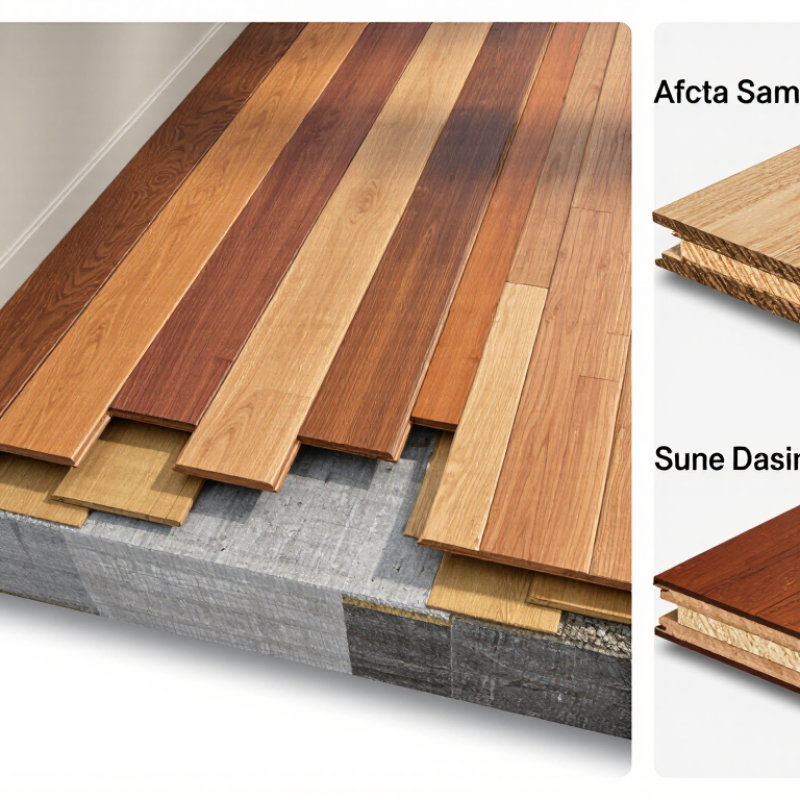
Hardwood flooring is a finished floor made from real wood. It can be solid or engineered. Solid boards contain one piece of timber throughout. Engineered boards use a hardwood top layer over cross-laid wood layers. This structure can reduce movement during humidity changes. That detail matters in kitchens, basements, and coastal homes.
The National Wood Flooring Association explains that solid flooring can often be sanded and refinished several times. The number depends on board thickness and the remaining wear layer. Engineered flooring may also be refinished, but its usable depth varies. Oak remains widely chosen because it offers visible grain and dependable hardness. Maple looks cleaner and harder, while walnut provides a darker, softer surface.
According to the FAO’s 2020 Global Forest Resources Assessment, forests cover about 31% of global land. Responsible sourcing still matters, even when wood looks natural. Certification paperwork is useful, but it is not a substitute for careful installation. No floor is perfect.
Tips: Check moisture before delivery and installation. The NWFA recommends testing both the subfloor and wood. Keep indoor humidity reasonably stable, often near 30% to 50%. Use felt pads under furniture. Wipe spills quickly. Avoid wet mopping. I have seen beautiful floors fail because owners treated wood like ceramic tile. Choose solid flooring for long-term refinishing potential. Choose engineered flooring where seasonal movement may be stronger. Your room, subfloor, budget, and maintenance habits should guide the decision.
What Is Hard Wood Flooring And Which Type Is Best?
How Is Hardwood Flooring Made?
Hardwood flooring begins with carefully selected logs from mature trees. Mills remove the bark and cut the timber into boards or thin veneers. The wood is then kiln-dried to reduce moisture. This step matters because damp boards may shrink after installation.
Solid hardwood is cut from one piece of timber. Manufacturers machine each board with precise tongue-and-groove edges. Engineered hardwood uses a real wood surface over layered plywood or high-density wood fibers. Each layer usually runs in a different direction. This structure helps limit movement caused by humidity changes.
The surface may be lightly stained, brushed, or sealed with several protective coats. Some finishes cure under ultraviolet light, while others harden naturally. Quality checks measure thickness, moisture content, edge accuracy, and surface defects. Small knots are not always faults. They can add character, although deep cracks may affect durability.
In practical installations, engineered flooring often performs better in basements or rooms with changing humidity. Solid wood allows deeper sanding over its lifetime. Neither choice is automatically best. Room conditions, subfloor stability, and maintenance habits should guide the decision.
I have seen attractive floors fail because installers ignored moisture readings. That detail is easy to underestimate. Wood still responds to its environment after manufacturing, so boards usually need time to acclimate before fitting.
Hardwood flooring uses natural timber, but its construction varies widely. The main types are solid hardwood, engineered hardwood, and parquet flooring. Each responds differently to moisture, movement, and installation conditions.
Solid hardwood Solid hardwood is milled from one piece of wood. It feels substantial and can often be sanded several times. Oak, maple, and walnut are common choices, with different grain patterns and hardness levels. However, solid boards expand and contract with indoor humidity. They work well above ground level, but damp rooms can cause gaps, cupping, or squeaking. It moves with humidity.
Engineered hardwood Engineered hardwood has a real wood surface attached to layered timber beneath it. This cross-layered structure improves dimensional stability, especially over concrete or in rooms with seasonal moisture changes. Its wear layer determines how many future refinishes are possible, so buyers should check its thickness carefully. A thin surface may look attractive but offer limited repair options.
Parquet flooring Parquet flooring uses short wood pieces arranged in geometric patterns. It creates strong visual detail, although its installation requires accurate subfloor preparation and careful alignment.
There is no perfect type. A careful installer checks moisture readings, subfloor flatness, and expansion gaps before choosing materials.
Homeowners should also consider pets, sunlight, cleaning habits, and future repairs. My practical preference would be engineered flooring for many modern homes, but that judgment can change when deep refinishing or a traditional solid-wood feel matters more.
Hardwood flooring is made from milled wood boards, either solid timber or layered engineered construction. Its performance depends on species, grain, finish, and room conditions. A dense species usually resists dents from chair legs, toys, and active pets. However, hardness is not the whole story. It can feel less forgiving underfoot, while softer wood may develop character sooner. Real homes are rarely as controlled as showrooms.
The Janka hardness rating measures the force needed to dent wood. White oak offers balanced hardness, visible grain, and dependable stability, making it suitable for busy living areas. Hickory is harder and handles heavier impact, but its strong grain can make repairs less visually uniform. Maple has a smooth, clean appearance and good wear resistance, although its subtle grain may show scratches clearly. Walnut is softer and darker, so dents may appear sooner, yet many owners value its warmth more than maximum durability. Pine is softer still. It marks easily.
Moisture can matter more than species. Kitchens, entrances, and lower-level rooms need careful installation and humidity control. Engineered boards often handle seasonal movement better than solid boards, though construction quality varies. A professional installer should inspect the subfloor, measure moisture, and allow wood to acclimate before fitting. One overlooked detail is sunlight: it can change color unevenly near windows. Hard flooring still needs felt pads, prompt spill removal, and realistic expectations. Scratches are not always failure; sometimes they record how the room is used.
Hardwood species differ in performance. Janka hardness indicates resistance to denting, while tangential shrinkage indicates how much a species may move as humidity changes.
How to read this chart: Hickory and hard maple provide strong dent resistance for high-traffic areas. Black walnut and black cherry are softer and may show wear more easily, but they offer distinctive color and grain. Lower shrinkage generally suggests better dimensional stability, although installation conditions, moisture control, board width, and finish also affect real-world performance.
Representative values for clear, dry wood: Janka hardness is measured in pounds-force (lbf); tangential shrinkage is the approximate percentage change from green to oven-dry condition. Values can vary by growth conditions and test method. Reference framework: USDA Forest Products Laboratory wood-property data and ASTM D143 testing conventions.
Choosing the best hardwood flooring depends on your room, subfloor, budget, and daily habits. Solid hardwood is milled from one piece of timber. It offers a warm, natural feel and can usually be refinished several times. However, it may expand or contract when indoor humidity changes.
Engineered hardwood uses a real wood surface over layered materials. Its construction often handles moisture and temperature shifts better. This makes it practical for basements, apartments, and homes with radiant heating. It is not waterproof, though. Spills still need quick attention. In kitchens, a well-sealed surface and careful cleaning matter more than appearance alone.
Think about your lifestyle. Homes with pets or children may benefit from a matte finish, wider planks, and visible grain. These details can disguise small marks. Dark flooring looks dramatic, but it may show dust quickly. Lighter tones can make a narrow room feel more open. I once chose a glossy finish for a busy hallway, and every scratch became obvious. It looked elegant at first. The maintenance was frustrating.
A qualified installer should check subfloor moisture before fitting the boards. Ask about expansion gaps, acclimation time, and cleaning instructions. These steps seem minor, but they affect long-term stability. Choose certified wood from responsibly managed sources when possible. The “best” floor is not always the most expensive one. It is the option that suits the room and the people using it every day.
| Flooring Type | Construction | Typical Durability | Moisture and Climate Performance | Installation Options | Maintenance and Refinishing | Best Suited For | Main Limitations |
|---|---|---|---|---|---|---|---|
| Solid Hardwood | One solid piece of natural wood, commonly manufactured in planks around 18–20 mm thick. | High Can last for many decades when properly installed and maintained. | More sensitive to humidity changes than engineered flooring. It can expand, contract, cup, or gap when moisture levels fluctuate significantly. | Usually nailed or stapled to a suitable wood subfloor. Some products may be installed over other approved subfloors according to manufacturer instructions. | Can usually be sanded and refinished multiple times because the full plank is wood. | Above-grade rooms, long-term ownership, traditional interiors, and homeowners who want maximum refinishing potential. | Generally not the first choice for below-grade rooms, damp locations, or areas with substantial seasonal humidity changes. |
| Engineered Hardwood | A real hardwood wear layer is bonded over multiple wood-based layers, with the grain direction arranged to improve dimensional stability. | High Performance depends on the wear-layer thickness, core quality, finish, and maintenance. | Usually more stable than solid hardwood in changing humidity and can be suitable for some basements when moisture conditions and installation requirements are met. | May be floated, glued, stapled, or nailed, depending on the product and subfloor. | Many products can be refinished at least once; the number of refinishes depends mainly on the thickness of the real wood wear layer. | Basements, apartments, homes with variable indoor humidity, concrete subfloors, and rooms where dimensional stability is important. | Not every product can be refinished repeatedly. Water damage can affect the layered core, and product specifications vary considerably. |
| Prefinished Hardwood | Solid or engineered hardwood that has been factory-sanded, stained, and finished before delivery. | High Factory-applied finishes are generally consistent and durable, but surface resistance varies by product. | Moisture performance depends on whether the flooring is solid or engineered. The finish does not make wood waterproof. | Often faster to install because no on-site staining or coating is required. Installation method depends on the underlying construction. | Usually requires less initial mess and downtime. Damaged boards can be more difficult to blend because the finish is applied before installation. | Renovations with tight schedules, occupied homes, and projects needing a ready-to-use surface soon after installation. | Beveled edges may collect dirt, and matching the existing color can be difficult during repairs or future additions. |
| Unfinished Hardwood | Raw solid or engineered wood installed without a completed factory surface finish. | High Final durability depends heavily on the finish selected and how well it is applied. | Wood still reacts to moisture before and after finishing. The subfloor and indoor humidity must be properly controlled. | Typically nailed or stapled for solid products, followed by on-site sanding, staining if desired, and finishing. | Offers excellent color-matching and a smooth continuous surface. It requires more installation time and professional finishing work. | Custom homes, historic-style projects, large continuous areas, and installations requiring a precise stain match. | Higher installation disruption, more dust and odor during finishing, and a longer waiting period before normal use. |
| Reclaimed Hardwood | Wood recovered from older buildings, structures, or previously used materials and processed for a new floor. | Variable Depends on the species, age, previous use, condition, and manufacturing process. | Its moisture behavior is still determined by wood construction and indoor humidity. Older wood is not automatically moisture-proof. | Installation may involve nailing, gluing, or other methods recommended for the specific boards and subfloor. | May require careful cleaning, grading, filling, and finishing. Repairing irregular boards can require specialized labor. | Character-rich interiors, restoration projects, and buyers who value material reuse and distinctive natural variation. | Often has inconsistent dimensions, limited quantities, visible defects, and a higher risk of hidden fasteners or contaminants unless properly prepared. |
| Wide-Plank Hardwood | A style defined by wider boards, commonly wider than standard strip flooring; it may be solid or engineered. | High to Variable Durability depends on the wood species, construction, thickness, and finish. | Wider solid boards can show more visible movement as humidity changes. Engineered wide planks generally offer better dimensional stability. | Installation method depends on whether the product is solid or engineered. Subfloor preparation is especially important for wide boards. | Maintenance is similar to other hardwood floors, but scratches and seasonal gaps may be more visually noticeable. | Open-plan rooms, rustic or contemporary designs, and spaces where fewer seams and a larger visual scale are desired. | Can cost more, may require stricter moisture control, and replacement boards may be harder to match. |
Quick recommendation: Engineered hardwood is often the most versatile choice because it combines a genuine wood surface with improved dimensional stability. Solid hardwood is usually the best option for maximum refinishing potential and long-term traditional appeal, while prefinished flooring is often preferable when faster installation and less on-site disruption are priorities.
