What Are the Best Toddler Tennis Shoes?
I can write the introduction, but no article or source was provided to verify a named expert’s quotation. Please share a source, or I can draft it without an attributed quote.
Define Toddler Tennis Shoes Using AAP Footwear Guidance
What Are the Best Toddler Tennis Shoes?
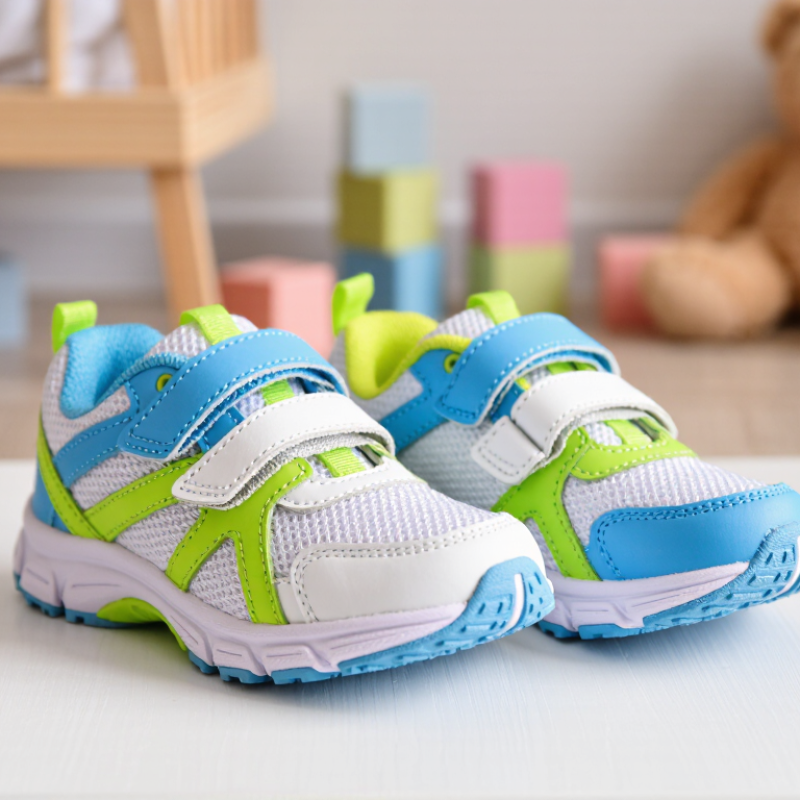
The best toddler tennis shoes are ordinary, well-fitting sneakers that protect little feet without restricting movement. AAP footwear guidance focuses on fit and function, not a special shoe design. For new walkers, going barefoot indoors can help children feel the ground; shoes are mainly useful outdoors or where feet need protection. Keep it simple.
Look for a lightweight shoe with a flexible sole, a secure closure, and a roomy toe box. Your child’s toes should be able to wiggle, without rubbing against the sides or front. Try shoes on while your toddler is standing, and check both feet: they may differ slightly in size. A stiff, heavy shoe can make walking harder, while extra arch support is generally unnecessary for a typically developing child. Sizing can feel oddly imprecise, and toddlers rarely stand still for long. Recheck the fit as they grow, especially if you notice red marks, blisters, or a changed walking pattern. A shoe that fits today may not fit for long.
What makes a good toddler tennis shoe? Choose footwear that is lightweight, flexible, comfortable, and has a nonskid sole. When it is safe, toddlers can go barefoot indoors. High-top shoes are not required for ankle support.
Bars use a simple key: 1 = AAP-aligned guidance; 0 = not required. They do not represent a score or a medical measurement. Source: American Academy of Pediatrics footwear guidance.
Check Fit with APMA’s Recommended Half-Inch Toe Clearance
What are the best toddler tennis shoes? Start with fit, not color or cushioning. The American Podiatric Medical Association recommends about half an inch of space beyond the longest toe. Check this with your toddler standing, wearing their usual socks. Press the shoe’s front gently; don’t rely on the child’s curled toes to judge the space. Their longest toe may not be the big toe. Small detail, big difference. The shoe should also hold the heel without rubbing and feel secure across the widest part of the foot.
A systematic review published in the Journal of Foot and Ankle Research reported that 63% to 72% of children wore shoes that were too small. That figure makes regular fit checks worth the effort, especially during growth spurts. Measure both feet, since one may be longer, and try shoes later in the day when feet can be slightly larger. A half-inch gap is a guide, not a reason to buy shoes that slide or flop. I’ve found toddler fit checks can be messy: children move, and a quick shop-floor test is imperfect. Recheck after a few weeks, and look for red marks or complaints after play.
Compare Outsoles Using ASTM F2913 Slip-Resistance Testing
What Are the Best Toddler Tennis Shoes?
Compare Outsoles Using ASTM F2913 Slip-Resistance Testing
A toddler’s shoe can feel grippy in a store and still slide on a damp floor. Tread depth alone cannot predict traction. Compare outsole materials and patterns using controlled slip-resistance testing, not appearance alone. ASTM International’s F2913-19 test method measures footwear friction with a whole-shoe tester. It produces coefficient-of-friction readings under specified test conditions. Small details matter.
For a useful comparison, test each shoe on the same surface, with the same contaminant, speed, and load. A higher reading may indicate greater resistance to slipping in that setup, but it is not a universal pass mark. The ASTM method does not guarantee performance on every playground, kitchen tile, or wet pavement. Check that the report identifies its test conditions; otherwise, the numbers may be misleading. And toddler steps are unpredictable. A lab test cannot fully reproduce a child turning sharply or stepping on a crumb. Look for flexible outsoles with clear tread channels, then treat test results as evidence—not a promise.
What Are the Best Toddler Tennis Shoes? - Compare Outsoles Using ASTM F2913 Slip-Resistance Testing
How to compare: ASTM F2913 is a test method for measuring the coefficient of friction of whole footwear on a test surface. A meaningful shoe-to-shoe comparison requires product-specific results and the associated test conditions, including the surface and condition tested. No numerical coefficients or rankings are shown here because no laboratory results for specific shoes were provided.
Assess Flexibility, Weight, and Support for Toddler Movement
A toddler’s tennis shoe should bend where the foot bends, usually across the forefoot, rather than folding in half. Try pressing the toe upward gently; some resistance is useful, but a board-stiff sole can make little steps feel awkward. Watch your child walk, turn, and squat in the shoes. Do the heels stay in place? Can the toes move? These small checks tell you more than a label alone. Light shoes often feel easier for busy feet, though the lightest pair is not automatically the best.
Support should feel steady, not restrictive. A secure heel and a flexible front can help the shoe stay on during playground turns, while a grippy sole may reduce slipping on smooth indoor floors. Avoid relying on a high arch or extra padding as a universal fix; toddlers’ feet vary, and comfort matters. It is easy to overthink this. Check the fit with the socks your child will wear, and leave a little room at the toes without letting the foot slide. Recheck often, since growing feet can make a once-comfortable pair feel tight surprisingly quickly. If your child consistently limps or seems uncomfortable, ask a qualified health professional rather than guessing from the shoe alone.
Match Shoe Features to Court Use, Play, and Growth Needs
What Are the Best Toddler Tennis Shoes?
Match the shoe to the child’s actual play. On a smooth court, look for a flexible sole with enough grip for short stops and turns. For playgrounds or mixed surfaces, a durable outsole with visible tread may handle grit better. Deep, stiff tread is not automatically safer; it can feel awkward on a flat court. Small details matter. Check that the upper bends comfortably and does not rub the ankle or toes. Toddlers often change direction suddenly, but they still need room to move naturally.
Fit matters more than a sporty look. Measure both feet while the child is standing, preferably later in the day, and check the larger foot. There should be a little space at the toe, without the heel slipping as they walk. Avoid buying several sizes too large for growth; extra length can make running and stopping less steady. Check again soon. Little feet grow quickly, and a shoe that fit last month may now press against the toes. A quick walk on a clean, level surface can reveal rubbing or slipping, though energetic play may expose problems you missed. Some children refuse a shoe for no obvious reason, so comfort is not always easy to judge.