Polyester Rugs Tips for Choosing the Perfect Style and Care?
Polyester Rugs are gaining popularity in modern homes. According to industry reports, the demand for synthetic rugs, including polyester, has surged by 25% over the past five years. These rugs offer durability and affordability, making them an attractive option for homeowners. They are resistant to stains and fading, catering to families and pet owners alike.
Choosing the right polyester rug requires careful consideration of style and function. Outdated choices can lead to dissatisfaction. Consumers should analyze color schemes and room aesthetics to find a perfect fit. Many buyers overlook maintenance needs, which can affect the longevity of the rug. Regular cleaning is essential, as dirt can accumulate quickly.
As the market evolves, more designs and textures become available. However, not all polyester rugs are created equal. Some may not withstand heavy foot traffic, leading to premature wear. Understanding the differences in quality is crucial to making an informed decision. Reflecting on personal and environmental needs helps in selecting a suitable option.
Choosing the Right Polyester Rug: Style Considerations
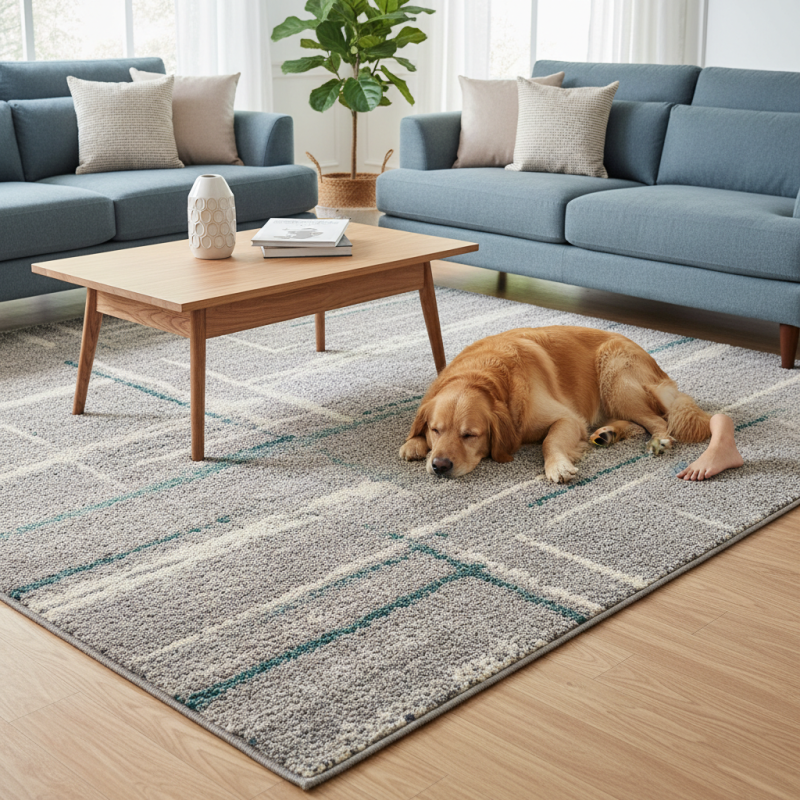
When choosing the right polyester rug, consider style and functionality. Polyester rugs are popular due to their affordability and durability. According to industry reports, polyester fibers can resist stains and fading. This makes them an excellent choice for high-traffic areas.
Color and texture play crucial roles in selection. A vibrant color can set the mood of a room, while texture adds depth. It’s essential to think about your existing decor. A bold rug can overwhelm minimalist spaces. Conversely, a subtle design may get lost in a busy room.
Tips: When deciding on a rug, think about maintenance. Regular vacuuming is necessary to keep them looking fresh. Occasionally, a deep clean can help maintain their appearance. Adjust your approach based on the rug's location. A rug in the living room may require different care than one in a bedroom. Not all polyester rugs are equal, so don't rush the decision. Take your time to reflect on your style and needs. It's a long-term investment in your home’s aesthetic.
Polyester Rugs Tips for Choosing the Perfect Style and Care
| Style Consideration | Description | Care Tips |
| Color | Choose colors that match your room's decor and contribute to the desired mood. | Vacuum regularly and address stains promptly with mild detergent. |
| Texture | Consider whether you prefer a soft, plush feel or a more structured surface. | For textured rugs, use a carpet rake to keep the fibers upright and looking fresh. |
| Size | Select a size that appropriately fits your space and complements your furniture arrangement. | Ensure it lays flat; if curled, weigh it down or steam it carefully to flatten. |
| Pattern | Patterns can add visual interest; choose one that fits the room's theme. | Spot clean any spills immediately and avoid harsh chemicals that may disrupt the patterns. |
| Durability | Consider high-traffic areas; opt for rugs designed to withstand wear. | Rotate the rug periodically to ensure even wear and longevity. |
Understanding the Benefits of Polyester Rugs for Home Decor
Polyester rugs have gained popularity for several reasons. They are affordable, durable, and easy to maintain. Imagine a vibrant rug adding warmth to your living space without breaking the bank. The fibers used in polyester rugs resist fading, making them ideal for sunlit rooms. You won’t have to worry about color loss over time.
Another great aspect is their stain resistance. Spills won’t terrify you anymore. A quick cleanup can often save the day. However, take care when using harsh chemicals. They can damage the fibers and affect the appearance of your rug. Always test cleaning methods first.
Aesthetic versatility is another advantage. Polyester rugs come in various patterns and colors. This allows you to find the perfect style for your decor. Whether you prefer bohemian vibes or modern minimalism, there’s something for everyone. Yet, consider how your choice impacts the room’s overall feel. Sometimes, what looks good in a store doesn’t feel right at home. So take your time and reflect on your selections.
Polyester Rugs: Style and Care Tips
Evaluating Quality: What to Look for in Polyester Rugs
When choosing polyester rugs, quality is paramount. High-quality polyester fibers offer durability and stain resistance. According to the American Society for Testing and Materials (ASTM), well-made polyester rugs can withstand heavy foot traffic. Look for rugs with a dense pile, which ensures better resilience over time. The colorfastness rating is another important aspect. Rugs with a rating of 4 or above will resist fading under sunlight.
Tips: Check the weave pattern; a tight weave is a sign of quality. Feel the texture; it should be soft yet substantial. Look for rugs with a warranty or guarantee, reflecting the manufacturer's confidence in their product. Examine the backing material, too. The right backing can enhance stability and prevent slipping.
However, not all polyester rugs are created equal. Some may feel cheap and wear out quickly. Regular maintenance is essential, as dirt can get embedded in the fibers. Vacuuming once a week can help preserve the rug's appearance. Also, be cautious of cleaning agents; some can damage polyester fibers. Selecting a rug requires careful consideration of its texture, color, and construction quality. A poorly chosen rug can lead to dissatisfaction, so thorough evaluation is crucial.
Essential Care Tips for Maintaining Polyester Rugs
Polyester rugs are popular for their durability and stain resistance. However, proper care is crucial to maintain their appeal. A 2022 industry report highlighted that 67% of consumers prioritize easy maintenance when choosing rugs. Regular vacuuming is essential to remove dirt and dust. Aim for at least once a week. This simple step can significantly extend the life of your rug.
Spills can happen at any time. Immediate action is vital. Blot spills with a clean cloth to prevent stains. Avoid scrubbing, as this can damage the fibers. According to the National Association of Home Builders, 35% of polyester rug owners report difficulties with stubborn stains. A mixture of mild detergent and warm water is often effective for cleaning. Test on a small area first to ensure no discoloration occurs.
Occasional professional cleaning is recommended. Every 12-18 months can refresh your rug's look. However, 40% of rug owners neglect this step. This oversight may lead to accumulated dirt and odors. Consider using a rug pad to prevent slipping and extend wear. Remember, regular care can keep your polyester rug looking vibrant and new for years.
Common Mistakes to Avoid When Buying Polyester Rugs
When buying polyester rugs, many make common mistakes that can affect their choices. One major error is not considering the rug's texture. Polyester fibers can vary. Soft and plush rugs feel great but might not be suitable for high traffic areas. Sometimes, people get excited about bright colors but ignore how they fit in with their current decor. A contrast can look good, but it needs to create harmony.
Another mistake is neglecting the care instructions. Polyester rugs are relatively easy to clean, yet that doesn’t mean you can toss them in any washing machine. Many assume that all polyester is stain-resistant, which is misleading. Knowing the type of stain it can handle is crucial. Additionally, forgetting to check the rug backing can lead to problems down the line. Some backings can damage floors or not hold up well over time.
Lastly, people often overlook the dimensions of the rug. A small rug in a large space can look lost. Conversely, a giant rug might overwhelm a small room. Visualizing the space with the rug can help. Don’t forget to consider how the rug complements your lifestyle. If you have pets or kids, durability should be a priority. Take your time when choosing. Sometimes, rushing leads to regret. Reflect on your choices.