Why Choose Paper Bags for Sustainable Packaging Solutions?
In today's world, sustainability is more crucial than ever. One way to embrace eco-friendly practices is by choosing Paper Bags. These bags have emerged as a popular alternative to plastic. Their biodegradable nature aligns with growing environmental concerns. When considering packaging solutions, the benefits of paper bags become clear.
Using paper bags helps reduce pollution. Unlike plastic, they decompose naturally, returning to the earth. This aspect contributes to cleaner landfills and oceans. Moreover, the production of paper bags often uses renewable resources. Many companies commit to sustainable forestry practices. This commitment resonates with eco-conscious consumers. However, it is essential to reflect on the industrial processes behind paper production.
Despite these benefits, paper bags have their downsides. They may require more energy to produce than plastic bags. Additionally, they can be less durable in moist conditions. Thus, the choice isn’t always straightforward. Businesses must weigh the pros and cons carefully. Advocating for paper bags means embracing a more sustainable future while acknowledging the complexities.
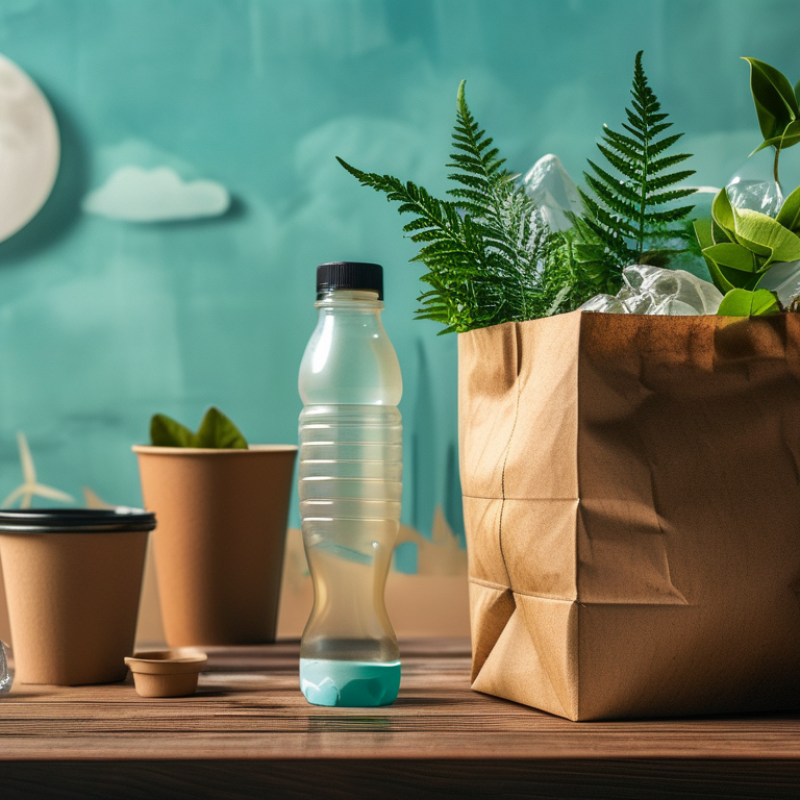
Benefits of Using Paper Bags in Environmental Sustainability Efforts
Paper bags serve as an excellent choice for sustainable packaging. They are made from renewable resources, often sourced from responsibly managed forests. This origin helps reduce reliance on fossil fuels, making paper bags more environmentally friendly than plastic options. Besides their production benefits, paper bags are biodegradable and compostable. They break down naturally, unlike plastic, which can linger in landfills for decades.
Using paper bags encourages consumers to adopt sustainable habits. Their tactile quality often evokes a sense of care for the environment. This choice can make a difference in promoting awareness about reducing plastic consumption. However, it’s essential to reflect on the paper production process. Not all paper bags are created equal; some may require excessive water and energy to produce.
Moreover, the recycling infrastructure for paper can be inconsistent. Not every community has robust recycling facilities. Some paper bags may end up in the landfill, creating unintended waste. As we promote paper bags, it’s crucial to maintain a balanced perspective. Continuous improvement is needed in how we produce, use, and dispose of paper products. Only then can we truly contribute to environmental sustainability.
Why Choose Paper Bags for Sustainable Packaging Solutions?
This chart illustrates the benefits of using paper bags in environmental sustainability efforts based on the following categories: Reduced Plastic Waste, Biodegradability, Recyclability, and Consumer Preference.
Statistics on Plastic Waste and the Need for Sustainable Alternatives
The world faces a plastic crisis. Over 300 million tons of plastic waste are generated each year. A significant portion ends up in oceans and landfills. The consequences are dire. Marine life suffers, and ecosystems are disrupted.
Statistics reveal that single-use plastics contribute 40% of plastic waste. In contrast, paper bags decompose naturally. They break down in months, rather than taking centuries like plastics. When considering environmental impact, the choice is clear. Paper bags offer a sustainable alternative, lessening our reliance on harmful materials.
However, switching to paper bags isn't without challenges. They require more resources to produce. Additionally, many still choose convenience over sustainability. This behavior perpetuates the plastic problem. Awareness and education are vital. It is essential to understand our role in fostering a cleaner, greener planet.
Life Cycle Analysis: Paper Bags vs. Plastic Bags in Environmental Impact
When comparing the environmental impact of paper bags and plastic bags, life cycle analysis (LCA) provides vital insights. Paper bags come from sustainable sources like responsibly managed forests. They are biodegradable and can decompose within months. On the other hand, plastic bags are derived from fossil fuels. They take hundreds of years to break down, polluting oceans and landscapes.
However, the production of paper bags often requires more energy and water than plastic bags. This fact raises questions about their overall sustainability. While paper bags offer ecological benefits, their manufacturing process can impact water resources. Consumers must think critically about the life cycle of their choices.
Additionally, recycling capabilities differ significantly. Paper can be recycled multiple times, reducing waste. Conversely, many plastic bags end up in landfills, where they contribute to long-term pollution. Awareness of these factors encourages responsible purchasing decisions. Every choice can contribute to a more sustainable future, but consumers must strive for informed decisions.
Consumer Preferences Towards Eco-Friendly Packaging Solutions
Consumer preferences are shifting towards eco-friendly packaging solutions, driven by a growing awareness of environmental issues. Research shows that many consumers are concerned about the impact of plastic waste. They seek alternatives that are more sustainable and less harmful to the planet. Paper bags have emerged as a popular choice that aligns with these values.
The tactile feel and natural appearance of paper bags attract consumers. They evoke a sense of trust and connection with brands that prioritize sustainability. However, not everyone is convinced. Some consumers worry about the durability of paper compared to plastic. Addressing these concerns is essential for brands looking to implement paper bags effectively. Educating consumers about the benefits and advancements in paper bag technology can help shift these perceptions.
Notably, while many embrace eco-friendly options, others remain hesitant. Price and availability still play significant roles in purchasing decisions. Brands must navigate these complexities to meet consumer needs while promoting sustainable practices. As the packaging landscape evolves, it’s crucial to understand this balance between consumer comfort and environmental responsibility.
Why Choose Paper Bags for Sustainable Packaging Solutions?
| Dimension | Data |
| Consumer Preference for Eco-Friendly Packaging | 75% |
| Increase in Sales with Paper Bags | 30% |
| Reduction in Plastic Usage | 50% |
| Biodegradability of Paper Bags | 100% |
| Consumer Willingness to Pay More | 60% |
| Perception of Quality with Paper Bags | 80% |
| Awareness of Environmental Impact | 85% |
Economic Viability of Paper Bags: Market Trends and Cost Comparisons
The demand for sustainable packaging has grown significantly. Paper bags, in particular, are gaining traction in various industries. According to a recent industry report, the paper bag market is projected to reach $4.5 billion by 2026, fueled by a shift towards eco-friendly products. This shift is not just about the environment; it also affects cost efficiency.
Cost comparisons illustrate that paper bags are becoming more economically viable. The production costs of paper bags have decreased by 15% over the last five years. Many businesses are finding them to be a cost-effective alternative to plastic. However, not all businesses may see immediate cost benefits. The initial investment in paper may deter some small businesses. Sustainable practices often require upfront investment, but the long-term savings in waste management and potential regulatory incentives can outweigh initial costs.
A survey by the Sustainable Packaging Coalition found that 71% of consumers are willing to pay more for sustainable packaging. This consumer sentiment influences market trends. Companies embracing paper bags may see not only a boost in brand image but also higher sales. Yet, businesses must carefully evaluate their supply chains. Not every type of paper bag is created equal, and sourcing sustainably can add complexity to the process. The journey toward sustainability is multifaceted and requires continuous evaluation and adaptation.