
What Are the Best Showroom Display Stands in 2026?

In 2026, the best Showroom Display Stands will not simply be the most elaborate ones. They will help shoppers notice, compare, and handle products with ease. A stand must suit the item, the room, and the customer’s path through the space. Details matter. Height, lighting, edge finishes, and access for restocking can all affect how a display works. Retail anthropologist and author Paco Underhill is often associated with the phrase, “Retail is detail.” It is a useful reminder that small design choices shape the shopping experience.

This guide compares display options by purpose, not appearance alone. It considers freestanding units, wall-mounted systems, countertop stands, and modular designs. Each has trade-offs. A compact counter display may save floor space, but it can feel crowded beside other products. A larger fixture can create a strong focal point, yet block sightlines if placed poorly. Materials, stability, assembly, maintenance, and flexibility also deserve attention. The right choice depends on what the store sells and how customers move through it.

There is no single stand that suits every showroom. A finish that looks refined under bright lighting may feel dull in a darker corner. Even a well-made fixture can underperform when its message is unclear. Not every choice works. The recommendations ahead offer a practical starting point, not a substitute for testing layouts in the actual space. A quick trial with real products and typical foot traffic may reveal problems that a product photo cannot.
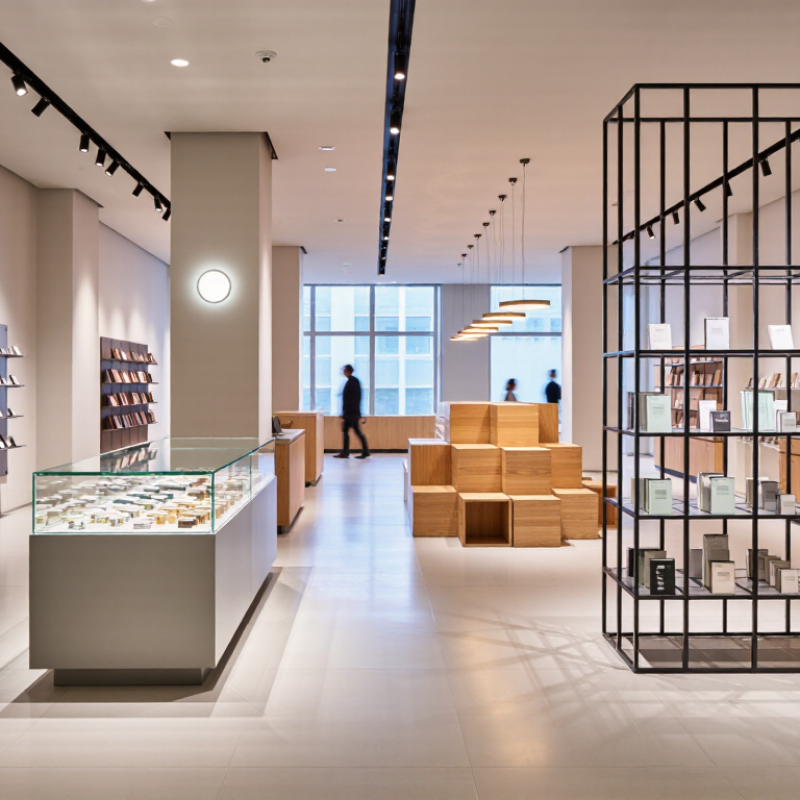
What Are the Best Showroom Display Stands in 2026?

What Showroom Display Stands Are and How They Support Product Presentation

What Are the Best Showroom Display Stands in 2026?

Showroom display stands are fixtures that lift, organize, or frame products for viewing. They may be freestanding, wall-mounted, or placed on a counter. Their job is practical: keep products visible, accessible, and easy to compare. A low stand can suit small objects, while a taller unit may bring larger items closer to eye level. Clear sightlines matter. So does stability, especially when visitors handle samples.

A good stand supports the product presentation without competing with it. Neutral finishes often help customers focus on shape, color, and details. Shelves should fit the product’s weight and dimensions, with enough room for people to browse without blocking a walkway. Lighting can reveal texture, but glare may hide it instead. A stand can look elegant in a plan and still feel awkward on the showroom floor. Test it with real products and normal visitor movement before ordering several.

Tips: Check sightlines from the entrance and nearby aisles. Leave space for hands, labels, and product removal. Small details count. Ask staff where customers pause or reach awkwardly, then adjust the layout. Not every display needs to be perfectly symmetrical; usability should win.

Which Criteria Matter When Comparing Display Stands in 2026

When comparing showroom display stands in 2026, start with the product and the shopper’s reach. A glass case may suit delicate items, while a low, open stand makes products easier to handle. Check the footprint, shelf depth, edge finish, and stated load capacity. A wobbly base is not a minor detail.

Flexibility matters, but only when adjustments are simple. Look for tool-free shelf changes, replaceable parts, and finishes that resist fingerprints. The U.S. Census Bureau reported that e-commerce represented 16.1% of U.S. retail sales in Q4 2024, seasonally adjusted. Physical stores still have a substantial role, so displays should support close inspection and clear product comparison. Keep accessible routes open; the 2010 ADA Standards specify a 36-inch minimum clear width for accessible routes. Appearance is harder to score objectively. I have seen attractive layouts become awkward once real stock fills the shelves.

Tips: Test a sample with your actual products before ordering. Measure loaded shelves, not empty ones. Photograph the display from the entrance and from a shopper’s eye level. A small trial can reveal problems a polished rendering misses.

What Are the Best Showroom Display Stands in 2026? — Which Criteria Matter When Comparing Display Stands in 2026

The best choice depends on the products, available floor space, visitor flow, and how often the display needs to change. Compare stand types by function, flexibility, safety, upkeep, and compatibility with current merchandising needs.

Display Stand Type Best Suited For Typical Construction Flexibility Stability and Safety Checks Maintenance Considerations Useful 2026 Comparison Criteria
Modular shelving Packaged goods, homewares, books, and displays that change by season or product range. Commonly metal, engineered wood, solid wood, or a combination of materials. High
Many systems allow shelf positions or modules to be rearranged; compatibility depends on the system.
Check the stated load limit for each shelf and the complete unit. Confirm that the assembled shelving is level and secured as instructed. Inspect joints and fixings periodically. Choose finishes that suit the expected cleaning routine and showroom environment. Assess reconfiguration time, availability of compatible parts, shelf dimensions, finish options, and whether the unit can be expanded or reused.
Freestanding gondola shelving Central floor displays, product categories, and layouts where shoppers need access from more than one side. Typically a metal upright-and-shelf structure, sometimes with hooks, baskets, or interchangeable panels. High
Accessories and shelf positions may be adjustable when designed for the specific unit.
Verify the rated capacity, base stability, and any anchoring requirements. Keep heavier items on lower shelves where practical. Check for loose fittings, damaged edges, and worn finishes, especially in high-traffic areas. Compare footprint, access from each side, accessory compatibility, sightlines, and how easily the layout can be changed.
Countertop display stand Small products, samples, promotional items, and point-of-sale merchandising. May use acrylic, card, metal, wood, or molded plastic, depending on the intended product and setting. Medium
Often easy to move, though layouts and capacity are limited by the stand’s size.
Check that the base sits securely on the counter and that the stand is appropriate for the weight and shape of the products. Consider fingerprints, scratches, dust, and whether the material can be cleaned with the products already used on site. Compare counter footprint, visibility at shopper eye level, refill access, durability, and whether signs or product information can be updated.
Garment rail or clothing stand Apparel, uniforms, and collections that need to be viewed on hangers. Commonly constructed from tubular metal, with fixed or wheeled bases and one or more hanging rails. Medium
Some models are height-adjustable, foldable, or mobile; features vary by design.
Check the stated load limit, wheel locks where fitted, base width, and resistance to tipping when garments are unevenly distributed. Inspect wheels, locks, joints, and rail surfaces. Avoid exceeding the stated capacity. Compare rail length and height, mobility, storage needs, garment access, and whether the stand fits the available aisle width.
Glass display cabinet Fragile, valuable, collectible, or dust-sensitive products that benefit from a more enclosed presentation. Usually combines glass panels with a metal, wood, or composite frame; some designs include locks or lighting. Low to medium
Internal shelves may be adjustable, but moving the cabinet itself can be difficult.
Confirm the shelf and cabinet load ratings, stable placement, appropriate glass construction, and safe access for installation and cleaning. Glass needs regular cleaning; check hinges, locks, seals, and lighting components where present. Assess visibility, glare, access control, cleaning effort, lighting serviceability, and how the cabinet’s dimensions affect traffic flow.
Pegboard or slatwall display Tools, accessories, packaged products, and assortments displayed on hooks, shelves, or brackets. Panels may be made from engineered wood, metal, or other panel materials, with compatible display fittings. High
Hooks and shelves can often be repositioned, provided they match the panel system and load requirements.
Check panel and fitting capacity, wall or frame attachment, and the effect of load distribution across the panel. Inspect panel surfaces and fittings for wear. Keep compatible replacement hooks and brackets available if the assortment changes. Compare panel dimensions, fitting availability, weight limits, ease of remerchandising, and whether the display works as a wall or freestanding unit.
Digital-integrated display stand Product demonstrations, interactive information, digital menus, or displays that combine physical products with screen content. May combine a metal or wood structure with a screen, media player, power components, and cable management. Medium
Content can be updated digitally, while physical repositioning depends on the stand’s construction and connections.
Check screen mounting, cable routing, ventilation, power requirements, and the stability of the complete assembled unit. Plan for screen cleaning, software or content updates, power access, and maintenance of electronic components. Compare screen size and viewing angle, content update process, connectivity, service access, energy needs, and physical product visibility.

Note: Construction, load limits, adjustability, and safety requirements vary by product and configuration. Check the manufacturer’s specifications for the exact stand, accessories, installation method, and intended use before purchase.

How Major Stand Types Suit Different Products and Showroom Layouts

What Are the Best Showroom Display Stands in 2026?

The right stand depends on product size, handling needs, and sightlines—not just style. Low plinths give sculptural pieces room to breathe. Slatwall rails suit lightweight accessories that shoppers need to compare quickly. For small, high-value items, glass cabinets improve visibility while limiting casual handling. They can also create glare. Test lighting from the customer’s actual viewing angle.

PwC’s 2022 Global Consumer Insights Pulse Survey found that 43% of consumers would pay more for greater convenience. Treat that as a design cue, not proof that one fixture increases sales. Keep popular products within easy reach, and avoid forcing visitors to cross the room for related items.

The U.S. Census Bureau’s fourth-quarter 2024 report put e-commerce at 16.1% of total retail sales. Showrooms can support that blended journey with clear product labels, sample stations, and scannable specifications. A compact table may work for hands-on demos; a tall rack may block the view behind it. Leave generous turning space.

Details matter. Still, a neat plan can feel awkward once real visitors arrive, so observe traffic and adjust stand spacing after opening.

How Materials, Lighting, and Technology Shape Stand Performance

A showroom stand performs best when its materials, lighting, and technology work as one system. Choose surfaces that resist fingerprints and scuffs, especially around sample trays and touchpoints. Matte finishes reduce glare, while a small metal or clear-acrylic detail can make product edges easier to see. The trade-off is real: delicate finishes may look refined but need frequent care. POPAI’s 2012 Shopper Engagement Study reported that 76% of purchase decisions were made in-store, making clear product visibility more than decoration.

Lighting should reveal true color and texture, not just create drama. Use adjustable, high-CRI fixtures to illuminate fabrics, finishes, and labels without hot spots. The U.S. Department of Energy notes that LEDs use at least 75% less energy and last up to 25 times longer than incandescent lighting. That can support longer display hours, though poor aiming still makes a stand feel flat. Keep technology useful: a compact screen can show assembly details, while a QR code can link to specifications or care instructions. Keep the path obvious. Too many prompts compete with the product, and screens can date quickly. I would test the stand under actual showroom lighting before approving its finish.

How to Choose a Display Stand for Your Products and Space

Choosing a showroom display stand starts with the product, not the fixture catalogue. Measure its footprint, weight, reach zone, and the space needed to open, test, or compare it. A tall stand can improve visibility, but it may block sightlines or make a compact room feel crowded. Leave clear paths around corners and place frequently handled products between waist and eye level. Small details matter. U.S. Census Bureau data put e-commerce at 16.1% of U.S. retail sales in the fourth quarter of 2024. Physical displays still matter in a mixed-shopping journey.

Match the stand’s material and structure to the product’s weight and expected handling. Use shelves for boxed goods, angled trays for small items, and stable plinths for objects best viewed from several sides. Check that labels remain visible from the approach, not just directly in front. POPAI’s 2014 Shopper Engagement Study estimated that 82% of purchase decisions happen in-store. That figure is older, so treat it as a guide, not a guarantee. Before ordering, mark the footprint with tape and test a full customer route. It is easy to skip this step. It shouldn’t be. Then review lighting, cleaning access, cable routes, and restocking space. A striking display that slows replenishment may not work well.

How to Choose a Showroom Display Stand in 2026

Suggested planning weights for comparing display stands against your products and space.

These illustrative weights are a decision-making framework, not survey results. Prioritize product fit, available floor space, and visibility; then confirm each stand’s dimensions, load capacity, stability, and maintenance requirements with its specifications.

No products in the cart.