Best Outdoor Counter Cabinet Options for Global Buyers?
When it comes to enhancing outdoor spaces, the selection of the right Outdoor Counter Cabinet is crucial. Expert designer Emily Chen emphasizes, “A well-chosen cabinet can transform any patio into a functional oasis.” The growing popularity of these cabinets has led to numerous options in various styles and materials.
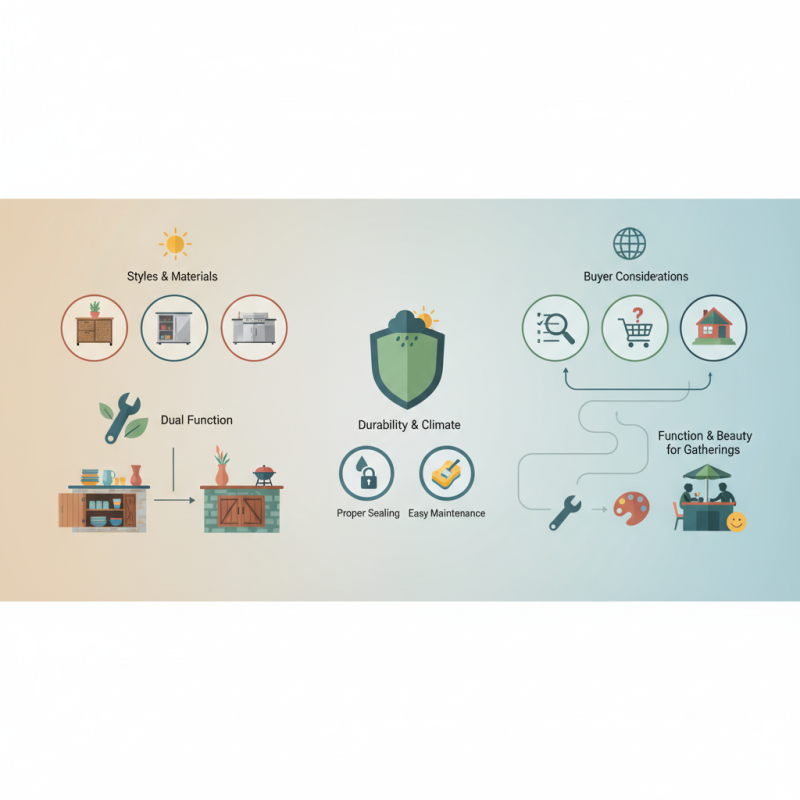
In today’s market, buyers often feel overwhelmed by choices. From weather-resistant finishes to sleek designs, the variety is immense. Outdoor Counter Cabinets not only offer storage but also serve as an aesthetic element. This dual function appeals to many homeowners looking to optimize their outdoor experience. However, not every cabinet meets quality expectations. Some products may not withstand harsh climates, and it’s essential to consider durability.
The right cabinet can elevate outdoor gatherings. Yet, consumers should do their research carefully. While shopping, consider both practicality and style. Focus on features like proper sealing and easy maintenance. Ultimately, the goal is to find an Outdoor Counter Cabinet that enhances both function and beauty in your outdoor living area.
Best Outdoor Counter Cabinet Materials: Durability and Weather Resistance
When selecting outdoor counter cabinets, the choice of materials is crucial for durability and weather resistance. Materials like stainless steel and high-density polyethylene (HDPE) are highly regarded. A study from the American Society for Testing and Materials (ASTM) indicates that stainless steel has excellent corrosion resistance, making it ideal for regions with high humidity or salt exposure. HDPE is also recommended, as it is UV-resistant and immune to fading. This material can withstand varying temperatures and harsh weather without warping.
Wood cabinets offer aesthetic appeal but lack durability in outdoor settings. Research from the Wood Products Council indicates that untreated wood can deteriorate within a few years when exposed to moisture. Pressure-treated options can extend longevity but may still require regular maintenance to prevent rot. While a wooden cabinet may look inviting, consider the trade-offs in long-term use. Outdoor environments can be unforgiving, and materials like resin and metal are often more resilient choices.
Choosing the right outdoor counter cabinet requires careful consideration. Each material comes with its benefits and drawbacks. Understanding your climate and usage will help you make a more informed decision. Basing decisions solely on appearance can lead to future regrets. Always weigh the durability against the design to find a balance that works for your outdoor space.
Top Features Buyers Should Consider When Choosing Outdoor Cabinets
When choosing outdoor cabinets, several key features can significantly impact your decision. Durability is crucial. Materials like stainless steel and high-density polyethylene withstand the elements. They resist rust and fading, making them ideal for outdoor use. Weatherproof cabinets often come with a protective finish, enhancing longevity.
Another essential factor is storage capacity. Buyers should consider their needs. Some outdoor spaces require large storage, while others need compact solutions. Look for cabinets with adjustable shelving. This gives you flexibility to store various items, from gardening tools to outdoor dining essentials.
Lastly, think about design and style. Outdoor cabinets should blend seamlessly with your patio or garden. Aesthetic appeal matters, but functionality is equally important. Make sure the cabinet has easy access and is user-friendly. Evaluate your options critically. A well-chosen outdoor cabinet enhances your space but can become a perpetual eyesore if selected hastily.
Cost Analysis: Affordable vs. High-End Outdoor Counter Cabinets
When choosing outdoor counter cabinets, cost is a significant factor. A 2022 report indicated that the average price of outdoor cabinets ranges from $300 to $1,500. Affordable options typically feature basic materials like plastic or treated wood. These cabinets may lack durability, especially in harsh weather conditions. Investing in higher-end cabinets, made from stainless steel or teak, offers longevity and style. Such options can cost between $1,200 and $3,000, which may seem steep.
Cost analysis reveals that while affordable cabinets save money upfront, they often require early replacement. According to industry experts, the longevity of budget cabinets may only last 3-5 years. In contrast, premium options can endure up to 15 years or more. This financial aspect is crucial for those aiming for long-term outdoor solutions. Ultimately, balancing the initial investment with durability creates a dilemma for many buyers. It’s essential to weigh both immediate costs and future maintenance expenses before making a decision.
Best Outdoor Counter Cabinet Options for Global Buyers
Global Market Trends for Outdoor Kitchen Cabinets in 2023
As the outdoor kitchen trend gains momentum in 2023, buyers are seeking innovative cabinet solutions. Current market research highlights a growing preference for weather-resistant materials. Stainless steel and high-density polyethylene are particularly popular for their durability and maintenance ease. Consumers desire cabinets that can withstand harsh climates while looking sleek and modern.
One notable trend is the rise of customizable options. Outdoor spaces are unique, and many buyers want cabinets tailored to their specific needs. Modular designs allow for flexibility and personal style, making it easier to create a cohesive outdoor setting. However, availability of such options can vary widely. Some areas lack reliable suppliers, leading to delays and disappointment.
Additionally, sustainability plays a vital role in purchasing decisions. Eco-friendly materials are increasingly sought after, reflecting a global shift toward greener choices. Still, some consumers struggle to find genuine sustainable options. The lack of transparency in product sourcing can create confusion. Understanding these trends can help buyers navigate the market better in this evolving landscape.
Best Outdoor Counter Cabinet Options for Global Buyers
| Cabinet Material | Size (L x W x H) | Weather Resistance | Price Range ($) | Popularity (2023) |
| Stainless Steel | 60 x 24 x 36 inches | High | 800 - 1200 | High |
| Wood Composite | 48 x 20 x 34 inches | Moderate | 400 - 700 | Medium |
| Polymer | 72 x 30 x 36 inches | High | 1000 - 1500 | High |
| Aluminum | 60 x 24 x 36 inches | Very High | 900 - 1300 | Medium |
| Teak Wood | 54 x 28 x 35 inches | High | 1200 - 1800 | Medium |
Sustainability in Outdoor Cabinets: Eco-Friendly Options and Certifications
When considering outdoor counter cabinets, sustainability is paramount. Eco-friendly materials are essential in today's market. Options like recycled plastic and sustainably sourced wood are increasingly popular. These materials minimize environmental impact and enhance durability. For instance, reclaimed wood offers a unique aesthetic while promoting resource conservation.
Certifications such as FSC and Cradle to Cradle can guide consumers. These labels assure buyers of the product’s environmental credentials. However, not all manufacturers prioritize transparency. Researching the sourcing and production processes is crucial. Many consumers overlook this, but it is essential for making informed choices.
While eco-friendly cabinets often come with a higher price tag, they represent a long-term investment. Lower quality materials can lead to frequent replacements, increasing waste. Reflecting on durability versus initial cost is important. Buyers should consider the overall lifecycle of their cabinets, from production to disposal. This mindset fosters a more sustainable approach to outdoor living spaces.