Top Benefits of Using Block Board for Your Next Project?
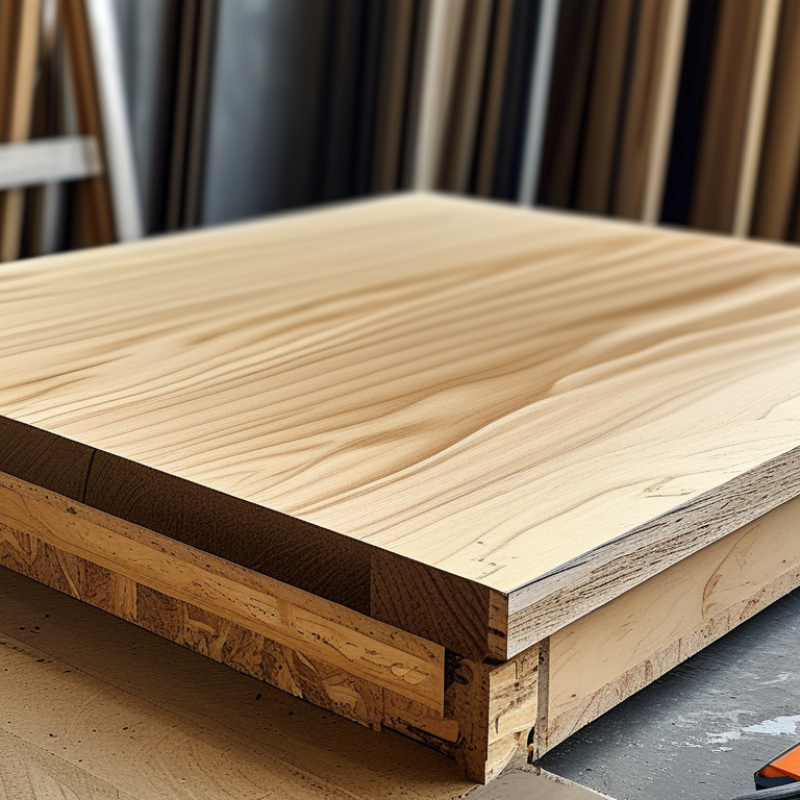
When considering materials for your next project, the choice of Block Board stands out. This versatile product combines strength and durability, making it ideal for various applications—from furniture making to interior design. Block Board features a core made of wooden strips, giving it a lightweight yet sturdy nature.
Using Block Board can enhance the aesthetics of your space. It offers a smooth surface, perfect for painting or veneering. This quality allows for greater design flexibility, which can be key for creative projects. However, not all Block Boards are created equal. The quality can vary between manufacturers, reminding us to choose wisely.
Durability is another significant benefit. Block Board resists warping and cracking better than many alternatives. However, moisture exposure can be detrimental. So careful handling is necessary. Embracing this material means balancing its strengths with mindful considerations. Block Board can elevate any project when used correctly. Choosing the right option ensures you enjoy its benefits fully.
Advantages of Block Board in Construction and Furniture Projects
Block board is increasingly popular in modern construction and furniture projects due to its distinct advantages. This engineered wood product consists of a core made from blocks of wood, which are typically made from solid timber. The resulting structure is strong, sturdy, and resistant to warping, making it a reliable choice for various applications.
One of the standout benefits of block board is its exceptional dimensional stability. Unlike traditional plywood, block boards resist bending and deformation under weight. This quality makes them ideal for heavy furniture items such as tables and cabinets. They can also handle humidity fluctuations better, making them suitable for diverse environments. However, some users report that they may not always be as easy to finish or stain, leading to inconsistency in aesthetics.
Another key advantage lies in the ease of customization. Block boards can be cut and shaped effortlessly. This allows for creative design options in furniture making. Their smooth surface is perfect for veneers, enabling users to achieve a polished look. Still, potential drawbacks include the heavier weight compared to other materials. This can pose challenges in moving or assembling larger pieces. Balancing these factors will lead to smarter choices in project planning.
Top Benefits of Using Block Board for Your Next Project
Durability and Strength: Why Block Board Outperforms Other Materials
Block board is increasingly favored in construction and furniture design, mainly due to its outstanding durability and strength. Unlike conventional plywood, block board benefits from a core made of solid wood strips, which enhances its structural integrity. This construction method contributes to its resistance against warping and cracking, making it suitable for various projects. According to the Wood Products Council, block board can withstand significant weight and pressure, surpassing standard plywood by approximately 25% in load-bearing capability.
Moreover, the longevity of block board is noteworthy. Data from the American Forest Products Association indicates that well-maintained block boards can last over 20 years. This durability translates to cost-effectiveness over time, reducing the need for frequent replacements. However, the production process may present challenges. Ensuring high-quality adhesives to avoid delamination is crucial. While block boards are sturdy, improper use or low-quality materials can lead to performance issues. Careful selection and construction practices remain pivotal for achieving optimal results.
Versatility of Block Board: Applications in Various Design Concepts
Block board is an excellent choice for various design projects. Its versatility allows it to be used in furniture, cabinetry, and even decorative wall panels. Many designers appreciate its lightweight nature. This feature makes it easier to handle and install, yet it remains sturdy and provides good support for various applications.
Using block board in furniture design opens up creative possibilities. It can be finished with various veneers, paint, or laminate. For instance, customizing a dining table or shelving unit adds a personal touch to any space. Block board also suits modern and traditional styles, making it appealing to different tastes. However, some find it prone to swelling when exposed to moisture. This limitation warrants careful consideration during design.
In cabinetry, block board allows for a seamless look. Its ability to hold hardware well is a significant advantage. Designers can create sleek cabinets that balance form and function. Still, this material may not offer the same level of durability as solid wood. Reflecting on this can lead to better decisions when choosing materials for long-term use.
Cost-Effectiveness of Using Block Board for Home and Office Interiors
Block board is becoming a popular choice for home and office interiors due to its cost-effectiveness. This versatile material offers durability while being budget-friendly. Whether for furniture or wall paneling, block board can save you money without compromising on quality. You can achieve a polished look in your space without overspending.
When planning your project, consider these tips. Choose block board with a high-density core for better strength. This type will resist warping and extend the lifespan of your furniture. Additionally, opt for a laminate or veneer finish for an appealing appearance. It can provide a high-end look for a fraction of the cost.
It’s important to recognize that while block board is a smart choice, it might not suit every application. Some environments may demand materials with superior moisture resistance. If you are in a humid area, think twice before using block board in certain locations. Always assess your needs carefully to avoid future issues.
Environmental Benefits: Sustainability of Block Board as a Material Choice
Block board has become a favored choice in many construction and design projects, primarily due to its sustainable qualities. Sourced from renewable wood, it offers a greener alternative to plywood and MDF. According to a report from the Forest Stewardship Council, around 80% of world timber supply is unsustainably harvested. Block board, when sourced responsibly, can help mitigate this issue.
The manufacturing process for block board requires less energy compared to other materials. Research by the International Energy Agency shows that using less energy in production can reduce greenhouse gas emissions significantly. Moreover, block boards are often produced using adhesives that are free from harmful substances, furthering their appeal as a sustainable option. However, there is room for improvement. The recycling processes for block board are not as well-established as they could be.
In addition, block board is known for its dimensional stability and durability. This means that it can have a longer lifespan than other materials, reducing the need for frequent replacements. Yet, the lifespan can be compromised if the board is not properly maintained. Consumers should be educated about necessary care practices to maximize the material's potential. Integrating these insights can aid in promoting block board as a genuinely environmentally friendly option in the industry.
Top Benefits of Using Block Board for Your Next Project? - Environmental Benefits: Sustainability of Block Board as a Material Choice
| Benefit | Description | Environmental Impact |
| Renewable Resource | Made from fast-growing trees, minimizing deforestation. | Supports sustainable forestry practices. |
| Recyclability | Can be recycled at the end of its life cycle. | Reduces waste in landfills. |
| Energy Efficiency | Manufacturing process consumes less energy compared to solid wood. | Lower carbon footprint during production. |
| Low Formaldehyde Emission | Produced with eco-friendly adhesives. | Improves indoor air quality. |
| Sustainable Production | Utilizes waste materials from other wood products. | Promotes resource conservation. |